Tutorials
Learn the Novus apps
Core, step-by-step guidance for the tools, grouped by app and written to stand on its own. Each app has a deeper library inside the product itself; these are the essentials. For the full reference see the documentation, and for the stories behind the builds, the product blog.
NSS Background Remover
 Removal & editing
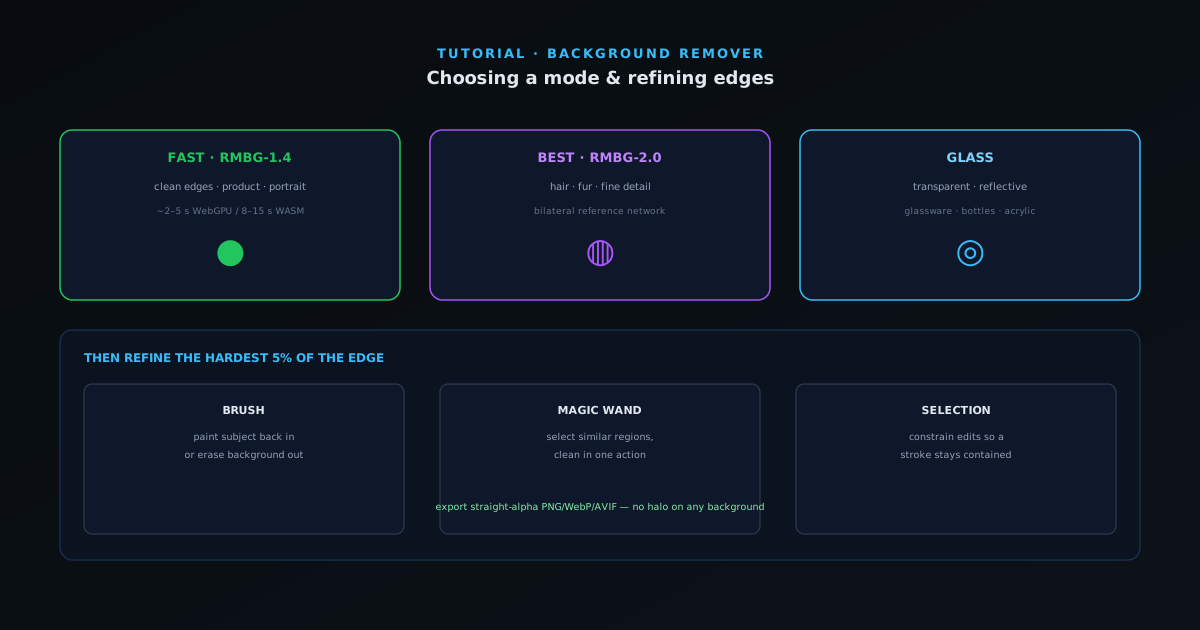
Choosing the right mode and refining edges in NSS Background Remover
When to reach for Fast, Best Quality, or Glass, and how to clean up the last few percent with the brush, wand, and selection tools so even hair and transparent material cut cleanly.
6 min · IntermediateStart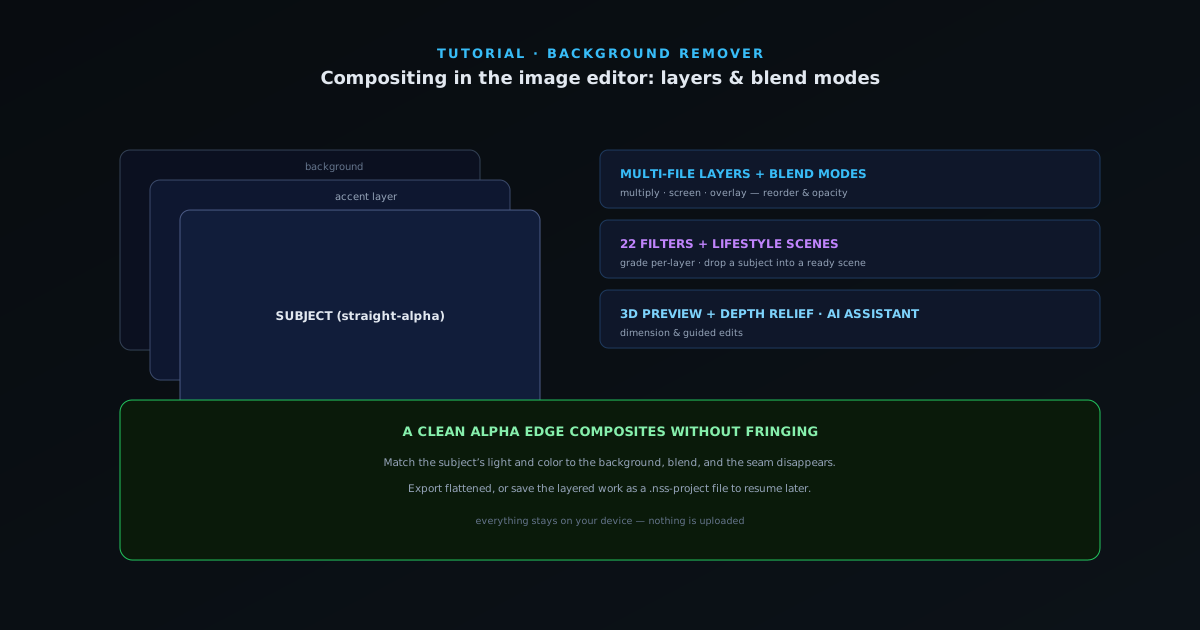 Removal & editing
Compositing with the image editor: layers, blend modes, and filters
Take a cutout further: stack multiple images as layers with blend modes, apply any of 22 filters, drop a subject into a lifestyle scene, and preview in 3D with depth relief, all in the browser.
7 min · IntermediateStart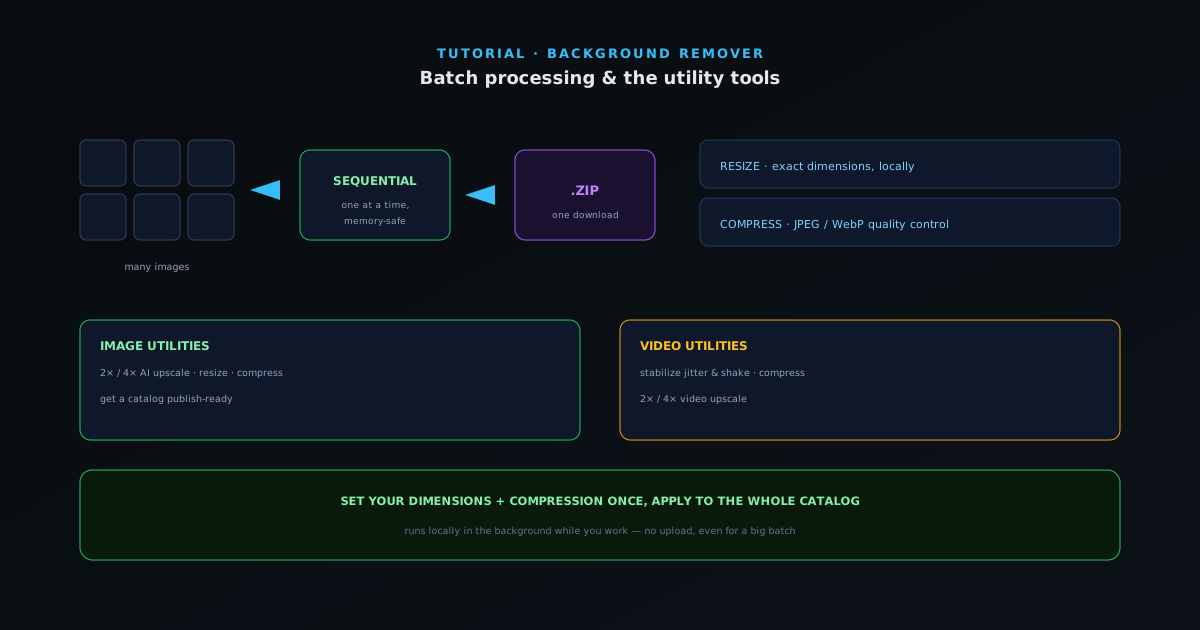 Formats & batch
The image and video utility tools: resize, compress, upscale, stabilize
Beyond the cutout, a set of local utility tools finishes an image or clip for publishing (image resize and compress, format conversion, 2×/4× upscale, and video stabilize/compress), all on-device.
6 min · IntermediateStart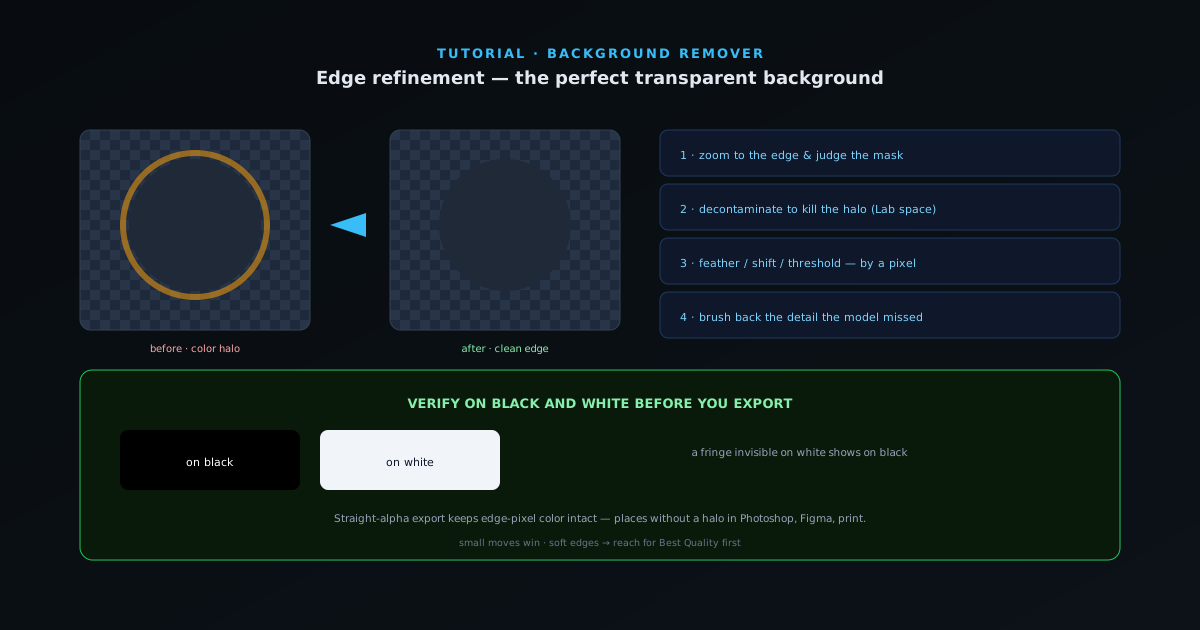 Removal & editing
Edge refinement: getting a perfect transparent background
The difference between a good cutout and a perfect one is the last 5% of the edge. How to use the edge-refine and decontamination controls in the editor to kill halos, recover soft detail, and export a flawless transparent background.
7 min · IntermediateStart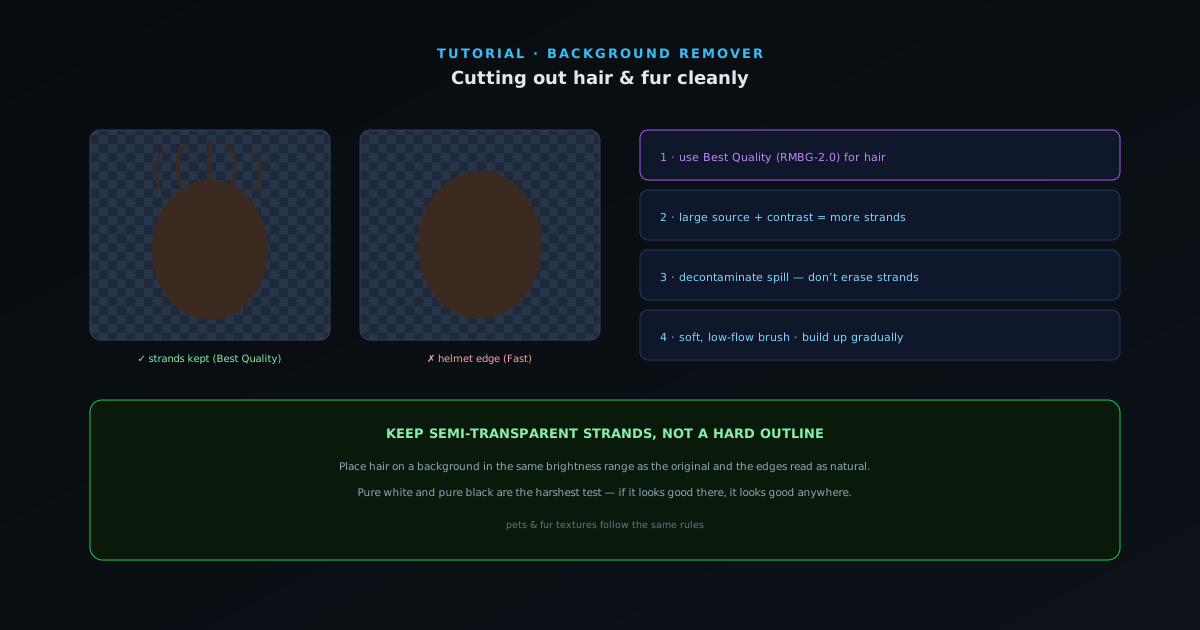 Removal & editing
Cutting out hair and fur cleanly
Hair and fur are where most background removers fall apart. The model choice, settings, and brush technique that keep individual strands instead of a helmet-shaped blob, for portraits, pets, and fur textures.
6 min · IntermediateStart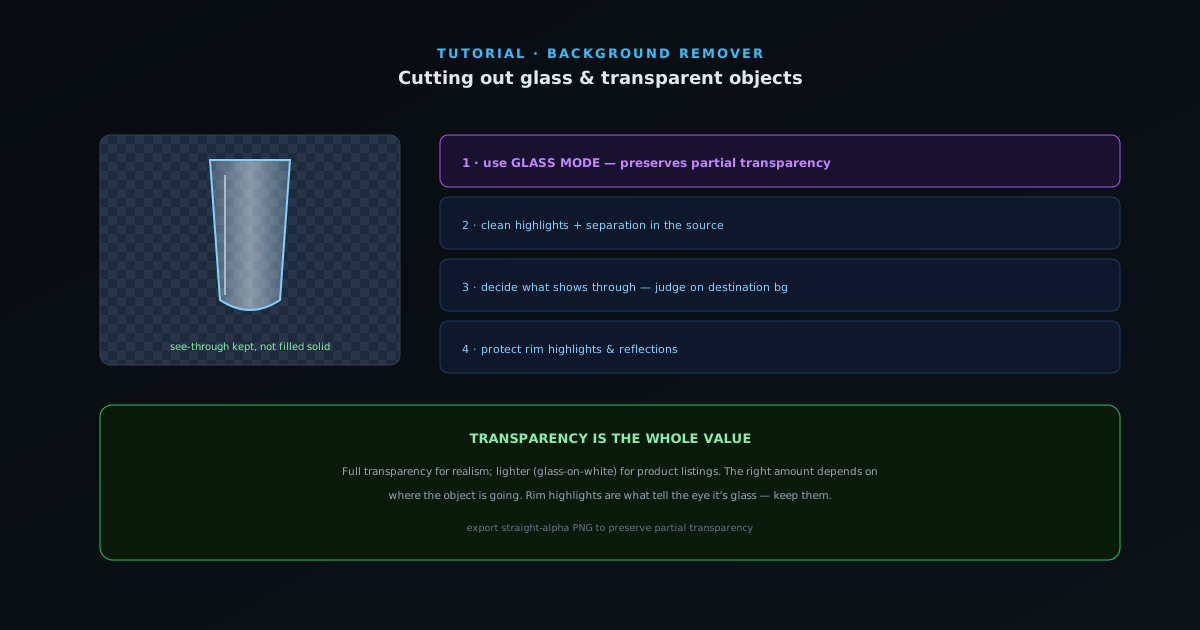 Removal & editing
Cutting out glass and transparent objects
Glassware, bottles, and acrylic break normal background removal because the subject is partly see-through. How Glass mode and careful compositing keep realistic transparency instead of cutting the object to a flat silhouette.
6 min · IntermediateStart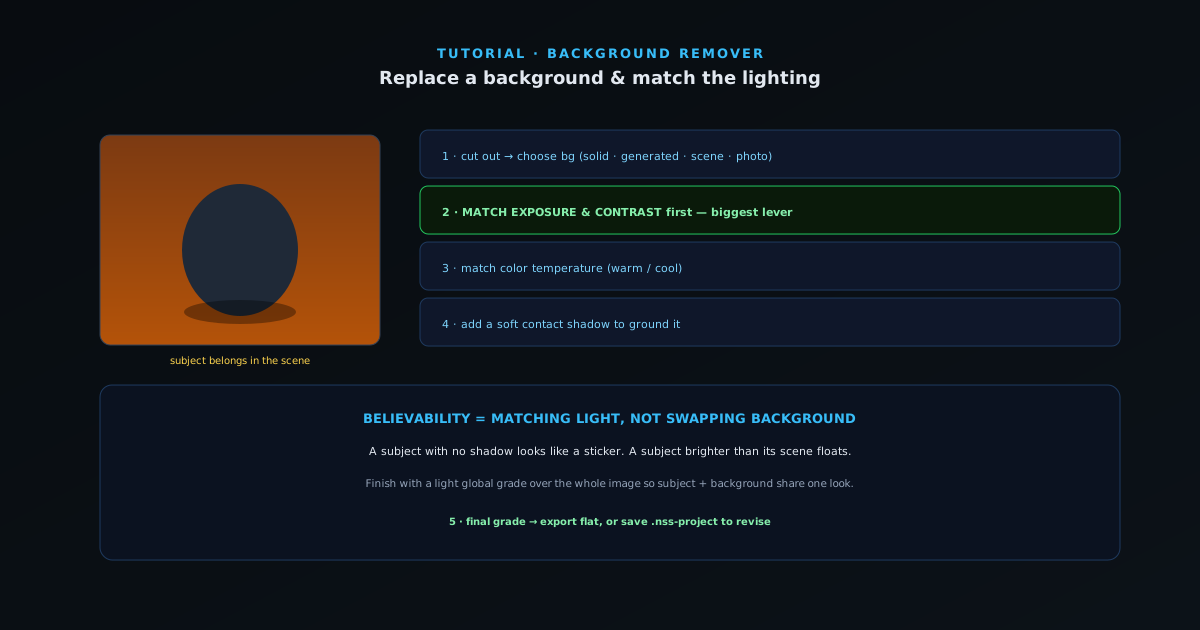 Removal & editing
Replacing a background and matching the lighting
A believable composite is 10% cutout and 90% making the subject belong in its new scene. How to replace a background (a solid color or your own photo) and match exposure, color, and shadow so the seam disappears.
7 min · IntermediateStart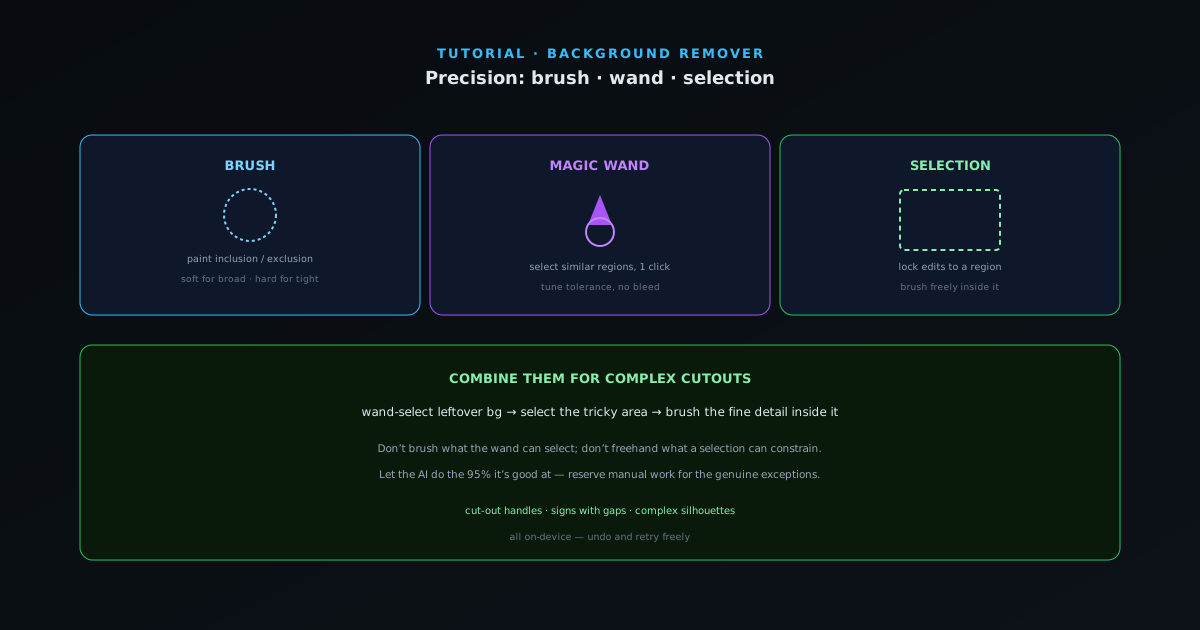 Removal & editing
Precision cutouts with the brush, wand, and selection tools
When the AI mask needs manual help, the brush, magic wand, and selection tools give you full control. How to combine them to fix complex cutouts (cut-out shapes, gaps, and tricky boundaries) efficiently.
6 min · IntermediateStart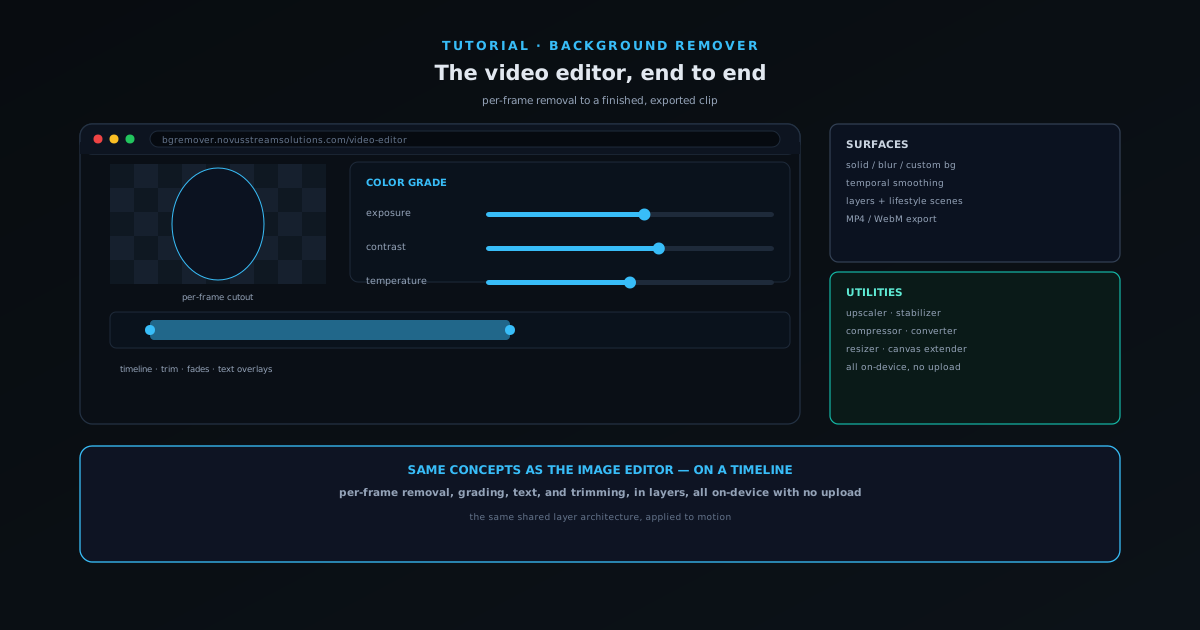 Editing & layers
The NSS Background Remover video editor, end to end
Edit a clip end to end: trim and arrange on a timeline, color-grade, add LUT filters and text overlays, work in layers, and export, all on-device, with 2×/4× video upscaling on hand.
8 min · IntermediateStart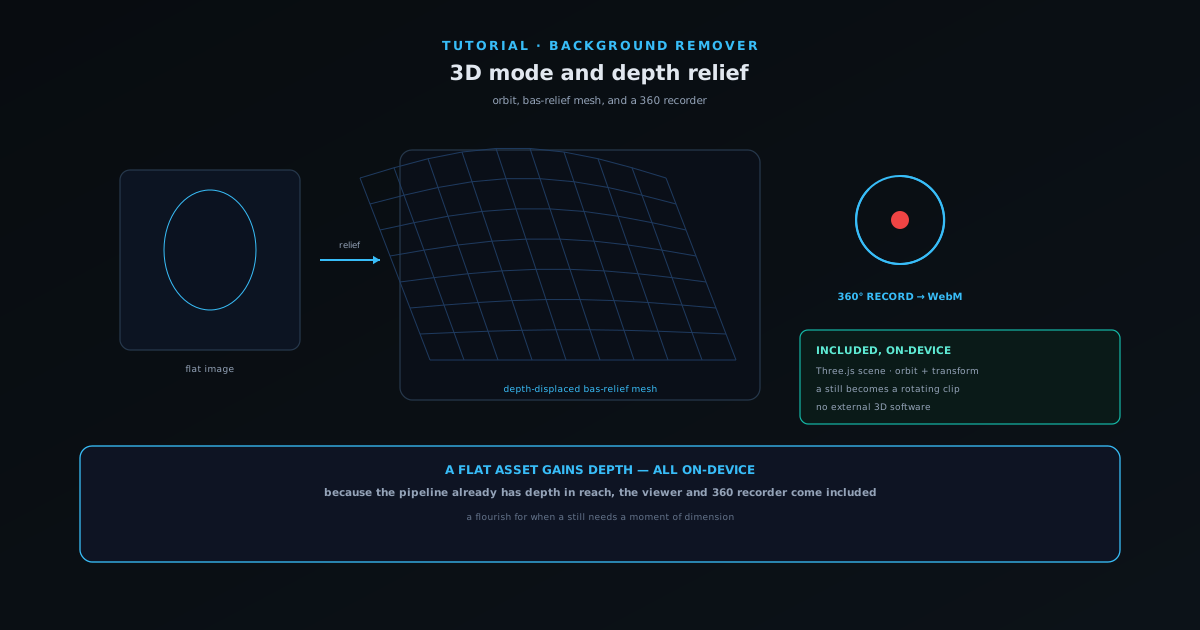 Editing & layers
3D mode and depth relief: orbit, bas-relief, and a 360 recorder
Turn a flat image into a depth-displaced bas-relief mesh, orbit it in a Three.js scene with a furniture palette, and record a short 360-degree spin to WebM, all on-device.
6 min · IntermediateStart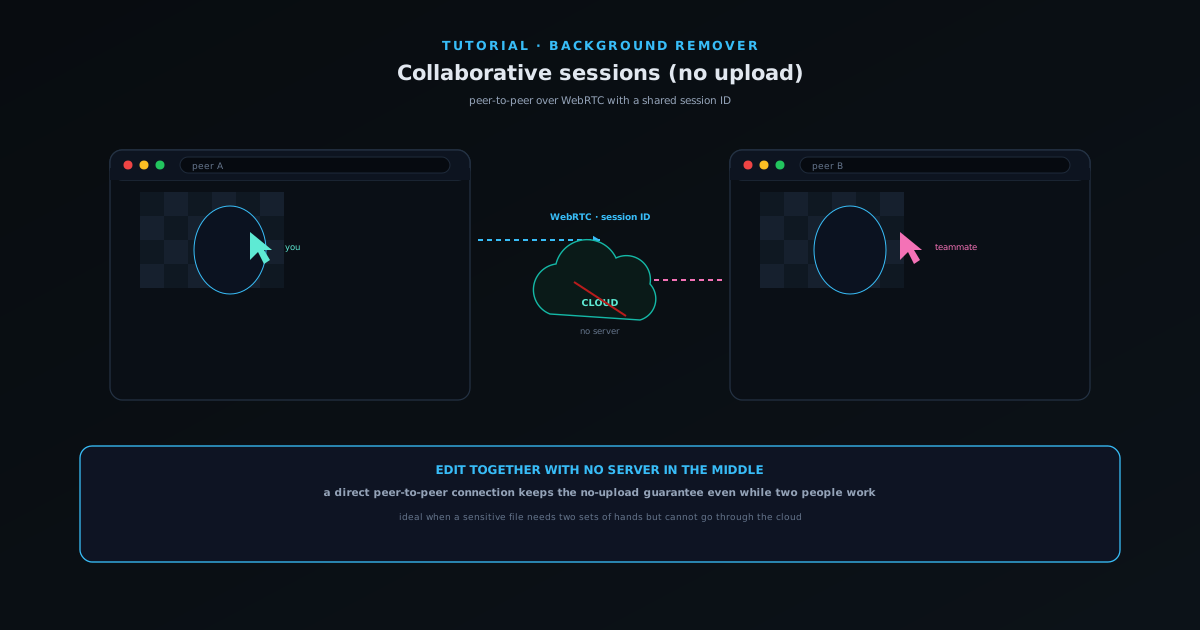 Use cases
Editing together with collaborative sessions (no upload)
When two people genuinely need to edit together, use peer-to-peer collaborative sessions built on WebRTC with a shared session ID, without routing images through a server.
5 min · IntermediateStart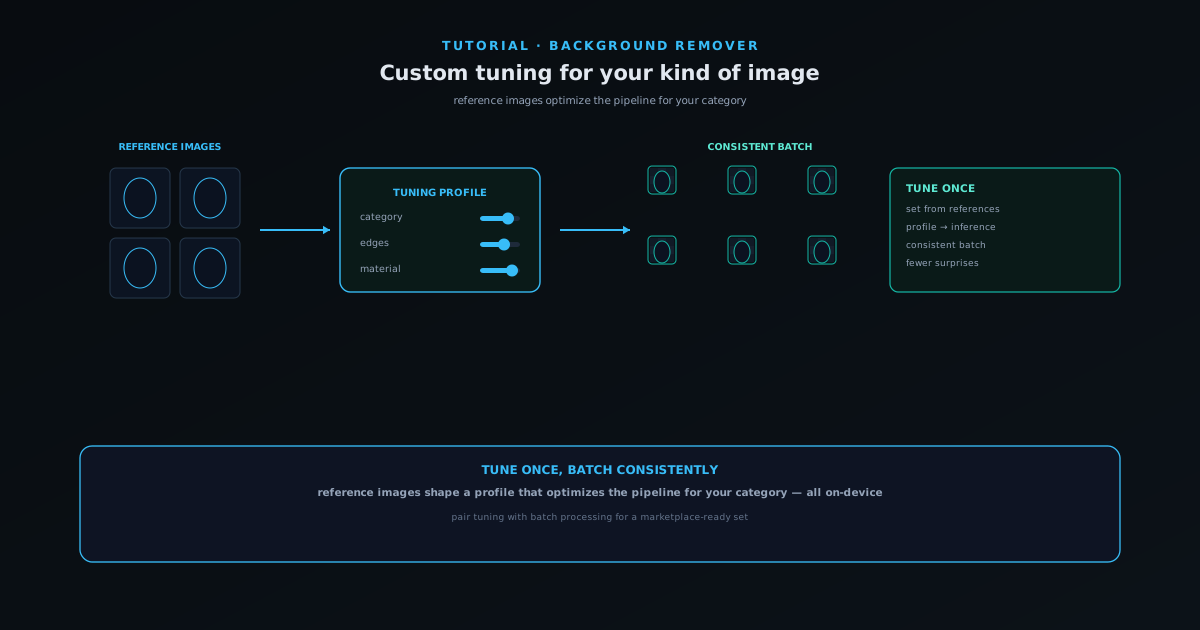 AI tools
Custom tuning: optimize the pipeline for your kind of image
Upload reference images to tune the removal pipeline for a specific category of image (your products, your style) so cutouts get more consistent across a catalog, all on-device.
6 min · IntermediateStart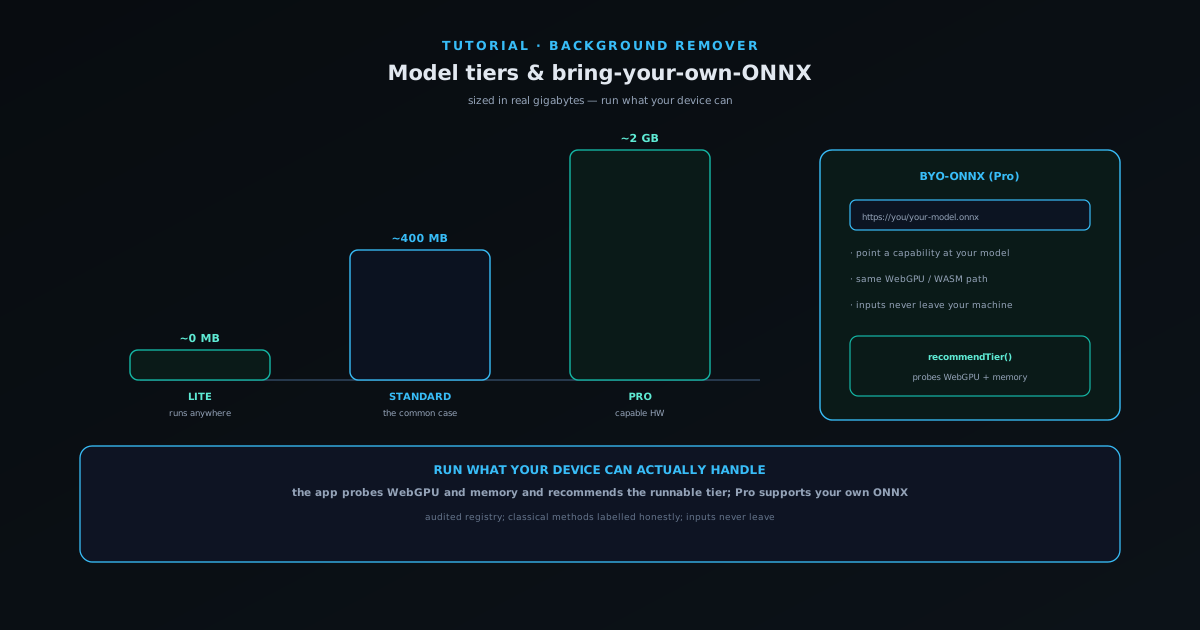 AI tools
Model tiers and bring-your-own-ONNX
Choose the right model tier for your device (Lite, Standard, or Pro) manage what is cached, and point an advanced Pro capability at your own hosted ONNX model, all running locally.
6 min · IntermediateStart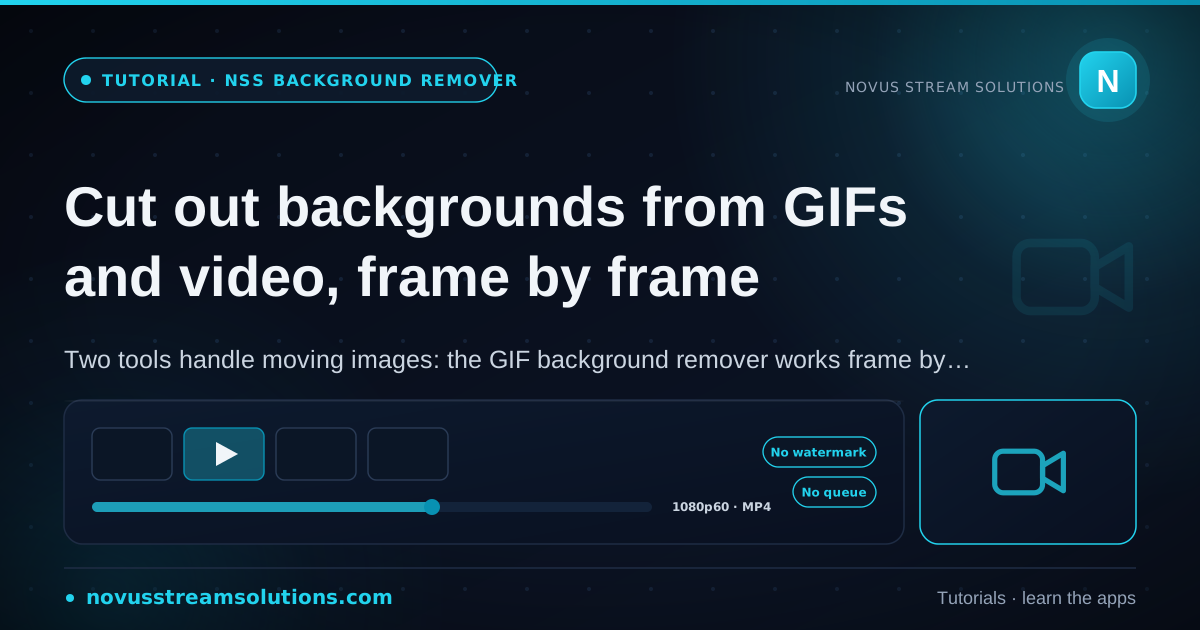 Removal & editing
Cut out backgrounds from GIFs and video, frame by frame
Two tools handle moving images: the GIF background remover works frame by frame with APNG export, and the video background remover runs a recurrent matting engine for flicker-free people cutouts.
7 min · IntermediateStart
Novus Visualizers
 Editing & layers
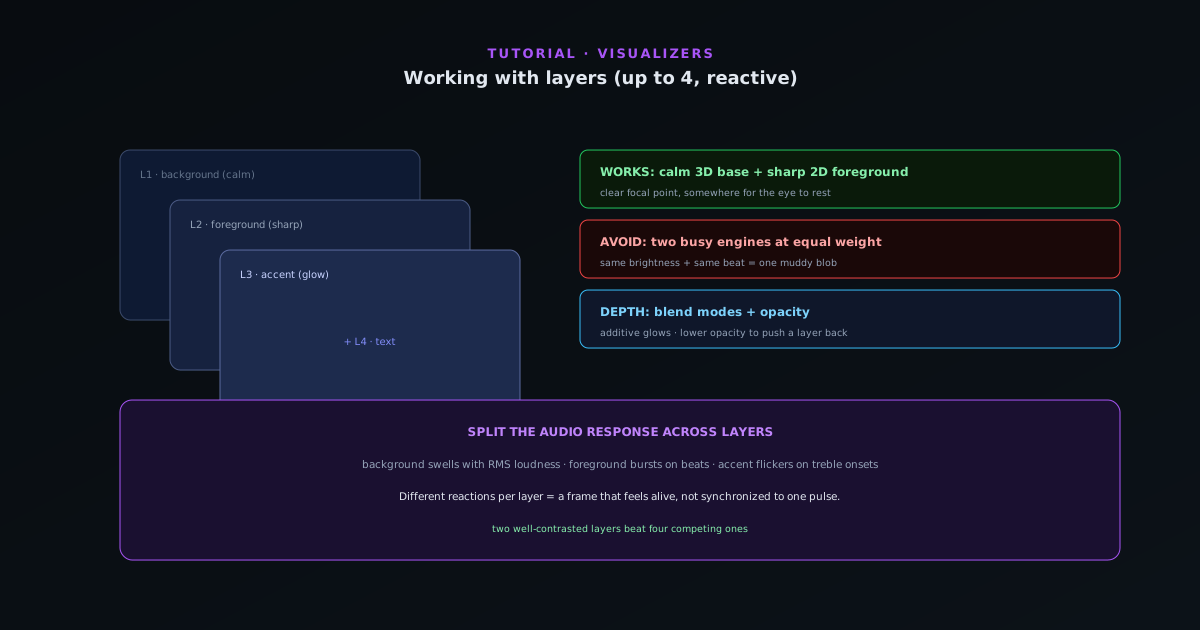
Working with layers in Novus Visualizers (and which combinations work best)
Stack ordered reactive layers with blend controls to build depth (a calm background engine, a sharp foreground, accents, and text) and learn the layer combinations that read well instead of turning to mush.
7 min · IntermediateStart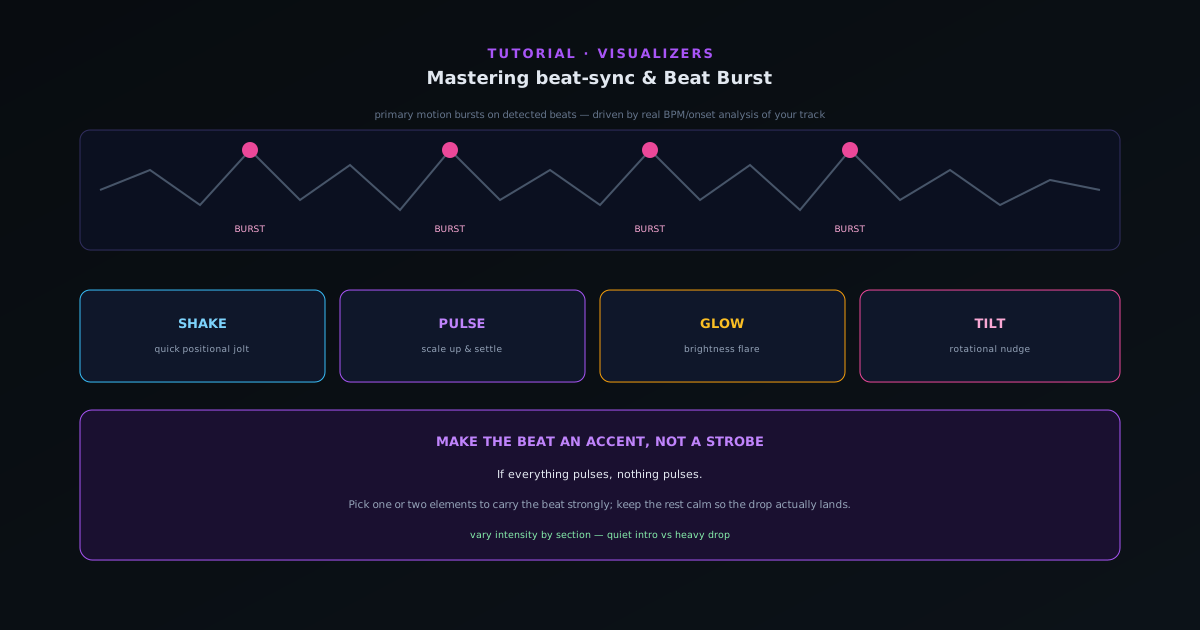 Audio & beat-sync
Mastering beat-sync: Beat Burst and beat-reactive properties
Make the visuals move with the music, not just under it. How Beat Burst drives primary motion on detected beats, and how to layer beat-reactive properties (shake, pulse, glow, tilt) so the hits land where you want them.
6 min · IntermediateStart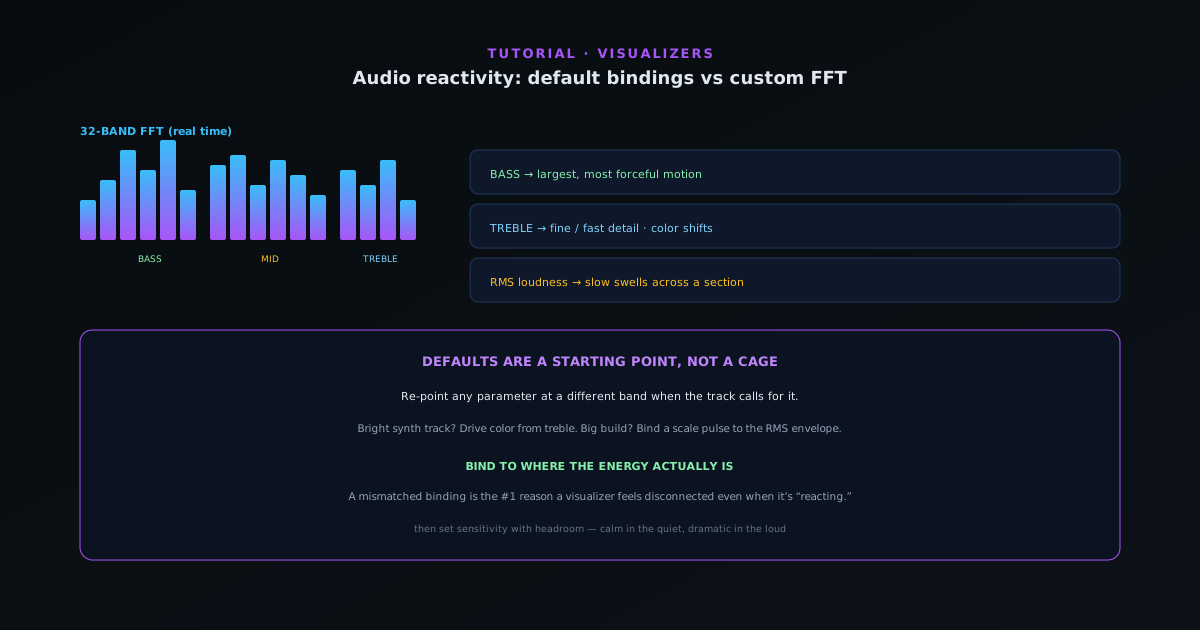 Audio & beat-sync
Audio reactivity in depth: default bindings vs customizing the FFT mapping
Go past the defaults: understand the 32-band FFT and how bass, mid, treble, RMS loudness, and onset detection map to motion, then customize which audio signal drives which visual parameter.
8 min · IntermediateStart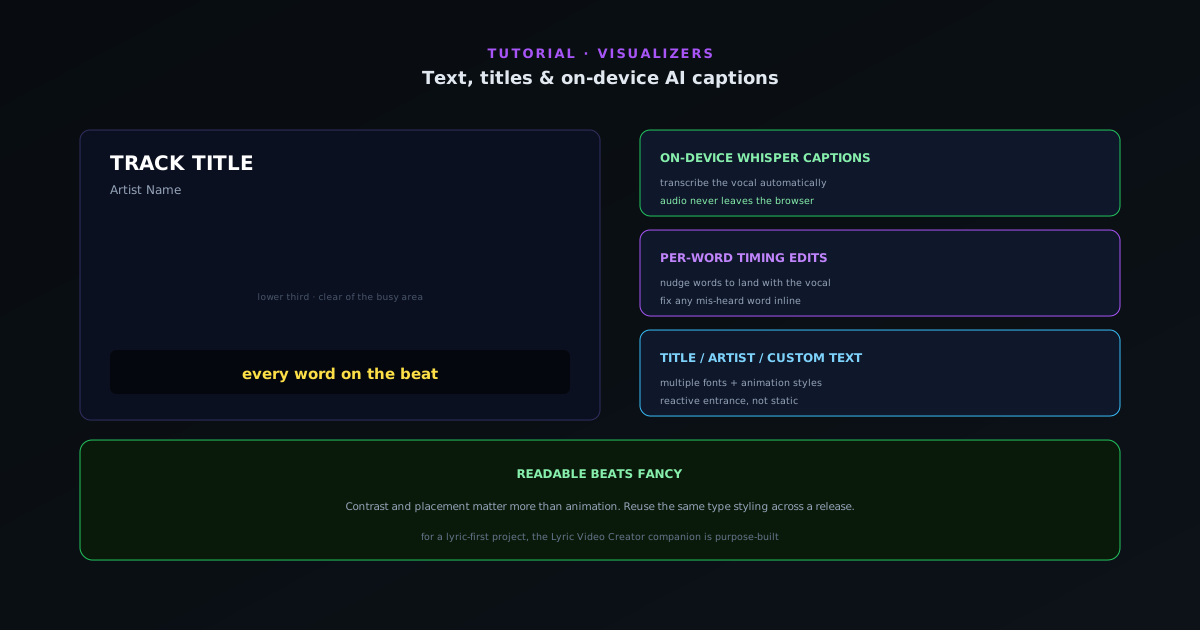 Editing & layers
Text, titles, and on-device AI captions in Novus Visualizers
Add a title and artist, choose fonts and animation styles, and turn audio into captions with on-device Whisper transcription and per-word timing, without your audio ever leaving the browser.
6 min · IntermediateStart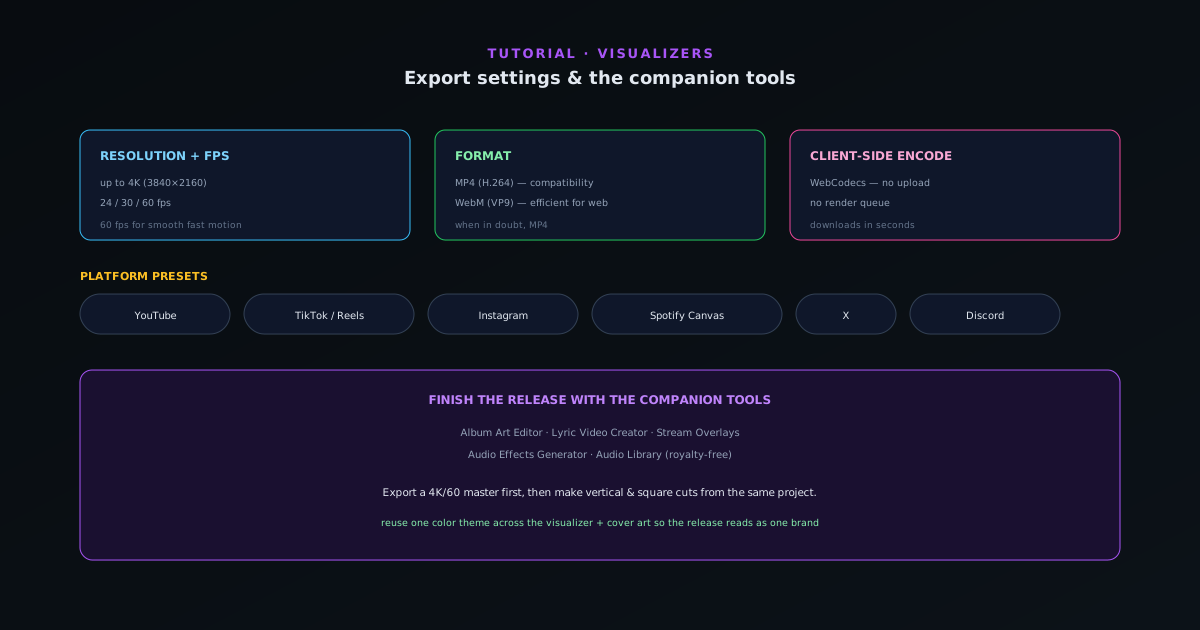 Export & release
Export settings and the companion tools
Pick the right export every time (resolution, fps, MP4 vs WebM, and the platform presets for YouTube, TikTok, Reels, Spotify Canvas, and more), then round out a release with the companion tools.
6 min · IntermediateStart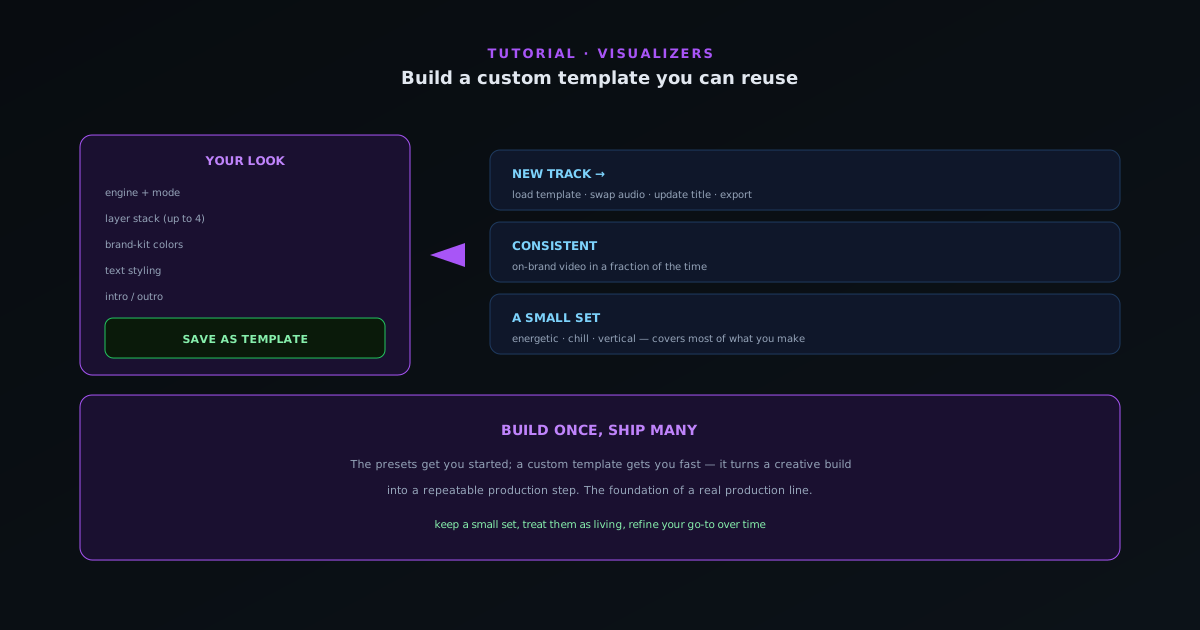 Editing & layers
Saving a project you can reuse across tracks
Once you have dialed in a look you love, save it as a project so every future track starts there. How to build, save, and reopen a saved document for a fast, consistent production line.
6 min · IntermediateStart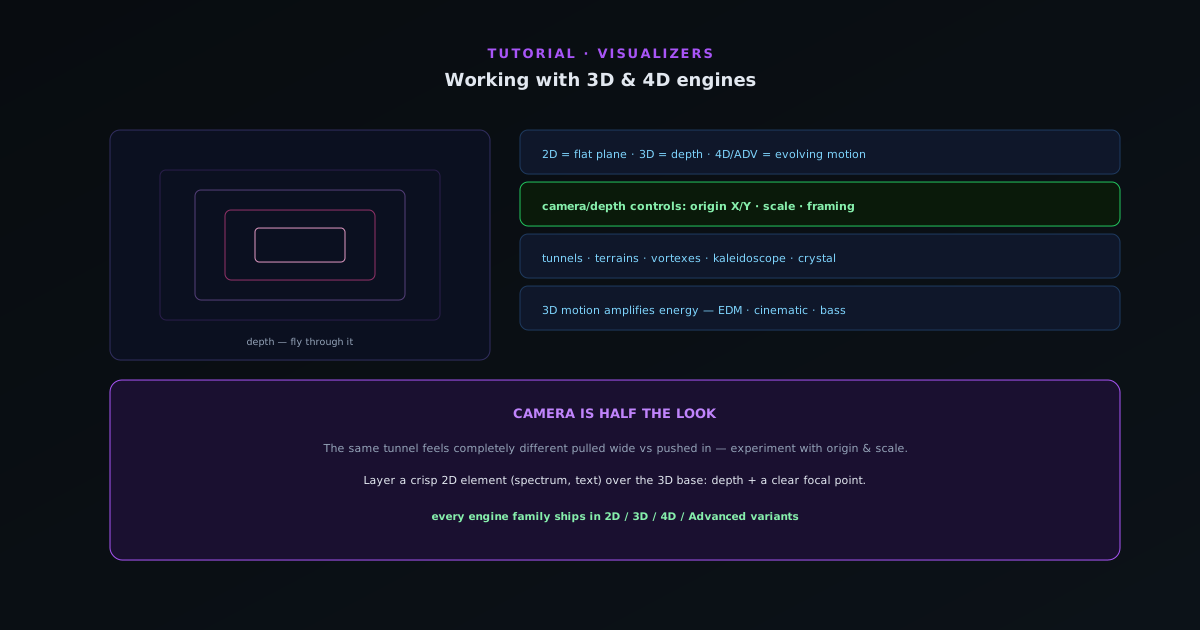 Editing & layers
Working with depth and 3D modes
Depth is not a separate engine; it lives inside specific modes. How to use the 3D modes (Bars 3D Columns, Spectrum Spectral Mesh, Waveform 3D Surface, Character Motion 3D Performer, and the Tunnel corridor and tube modes) plus the camera and depth controls that make them sing.
7 min · IntermediateStart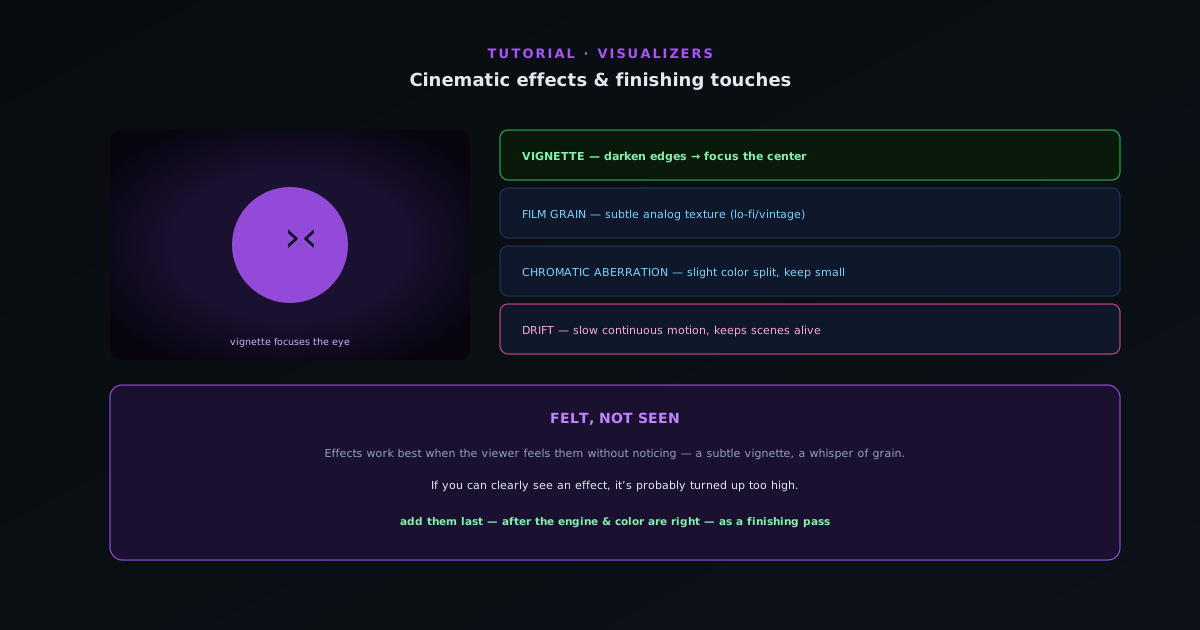 Editing & layers
Cinematic effects and finishing touches
The post-processing layer that separates a polished visualizer from a raw one (vignette, film grain, and chromatic aberration, plus the drift reaction) and how to use them without overdoing it.
5 min · IntermediateStart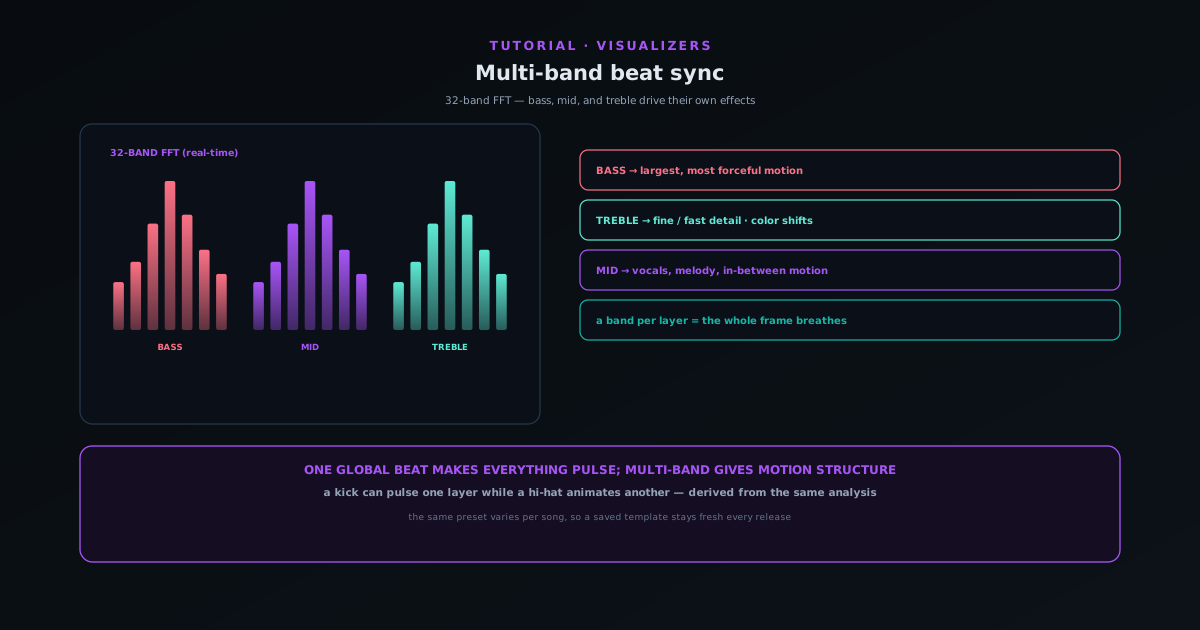 Audio & beat-sync
Multi-band beat sync: drive effects from bass, mid, and treble
Go beyond one global beat: route bass, mid, and treble energy to different elements so a kick pulses one layer while hi-hats animate another, and the same preset looks different on every song.
7 min · IntermediateStart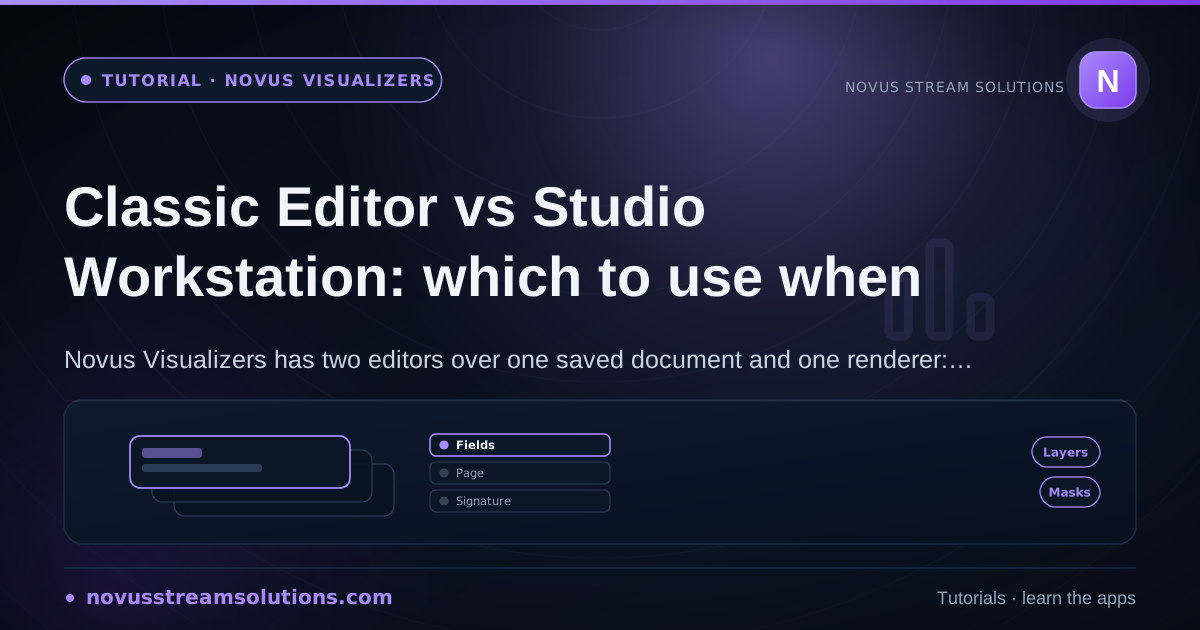 Editing & layers
Classic Editor vs Studio Workstation: which to use when
Novus Visualizers has two editors over one saved document and one renderer: the guided Classic Editor and the direct-manipulation Studio Workstation. Learn what each is best at and when to switch.
6 min · IntermediateStart