Category
AI in the browser
The technical and practical side of running AI on your own device: why on-device AI is private by design, what actually runs locally vs in the cloud, how AI runs in your browser with WebGPU and WebAssembly, the privacy cost of free AI tools, and whether browser AI works offline.
13 articles
About the AI in the browser thread
On-device AI is the technical bet the whole portfolio rests on, and this cluster is where the bet gets examined honestly. Running a model in a browser tab means the user's data never moves, which resolves the privacy problem structurally instead of by promise, but it also means running inside a memory budget, on whatever GPU is present, over a model you had to download first.
The articles cover both sides: how WebGPU and WebAssembly make local inference viable, what genuinely runs locally versus what still needs a server, what free cloud AI tools actually cost you in data, and whether any of it works offline. The recurring conclusion is that "private by design" is an architecture claim you can verify by watching the network tab, not a policy claim you have to trust.
What this topic covers
- Why on-device inference is private by design, and how to verify the claim yourself
- WebGPU and WebAssembly: what makes browser inference fast enough to use
- What runs locally today vs what still requires a server, as of 2026
- The privacy cost of free cloud AI tools, stated plainly
- Offline behaviour, model downloads, caching, and first-run cost
Who it's for
Developers evaluating client-side ML, privacy-conscious users deciding what to trust, and anyone trying to separate on-device marketing from on-device reality.
13 articles in this thread, newest first. Every one is free to read with no signup.
9 articles in this threadReset filters
AI in the browser · Jul 15, 2026
Evaluating AI tools before you depend on them
A ninety-minute evaluation protocol for AI tools: score candidates on a test set built from your own work, probe failure modes on purpose, verify where processing runs, model repricing risk, and perform a real export before anything important depends on the answer.
Novus Stream Solutions (hub)
AI in the browser · Jul 14, 2026
What local AI can actually do in mid-2026
A vendor-free status report on on-device AI as of mid-2026: segmentation, transcription, and small language models are genuinely local now; frontier reasoning and video generation are not, and the reasons are physics, not politics.
Novus Stream Solutions (hub)
AI in the browser · Jun 12, 2026
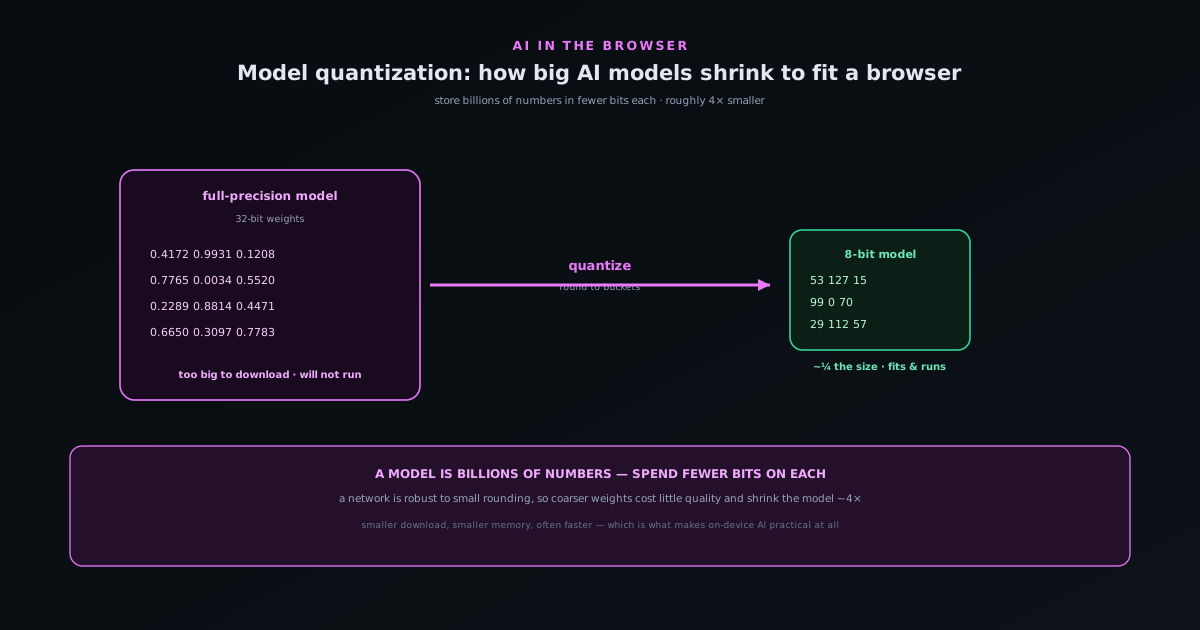
Model quantization: how big AI models shrink to run in a browser
A plain-English explanation of the technique that makes on-device AI possible: why a model’s size is the gatekeeper for running it in a browser, what a model actually is under the hood, how quantization stores its numbers in fewer bits for a roughly four-times reduction, why models tolerate the lost precision, what it costs in accuracy, and how it combines with distillation and pruning.
NSS Background Remover
AI in the browser · Jun 8, 2026
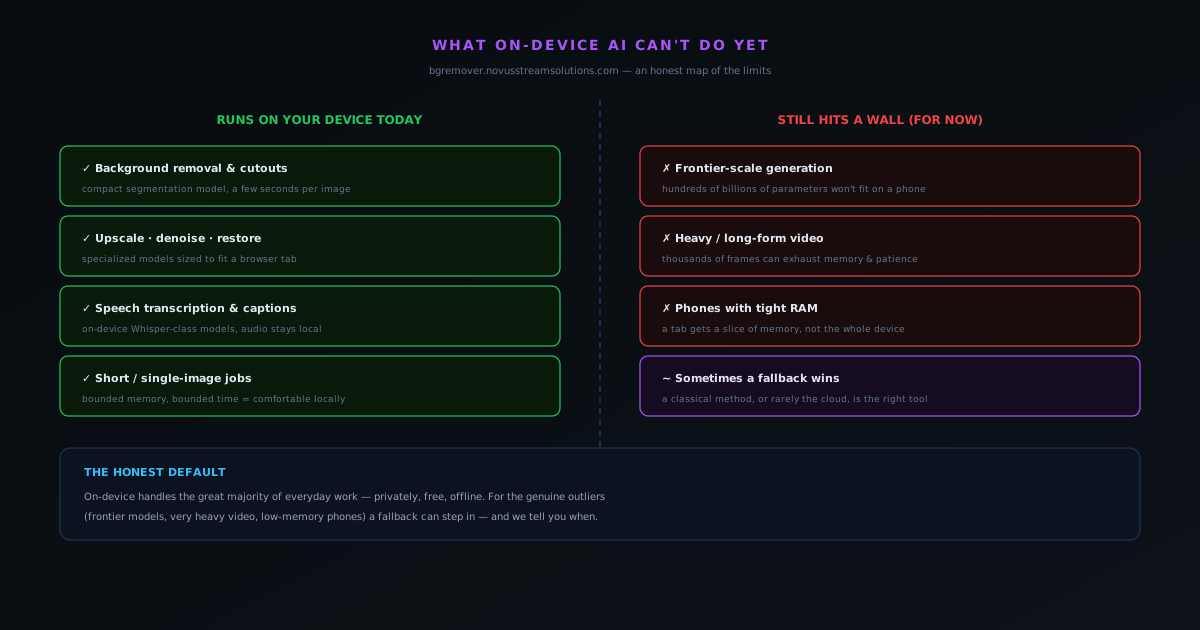
What on-device AI can't do yet
The honest edges of in-browser AI: frontier models, heavy video, tight memory, and when a fallback wins.
NSS Background Remover
AI in the browser · Jun 7, 2026
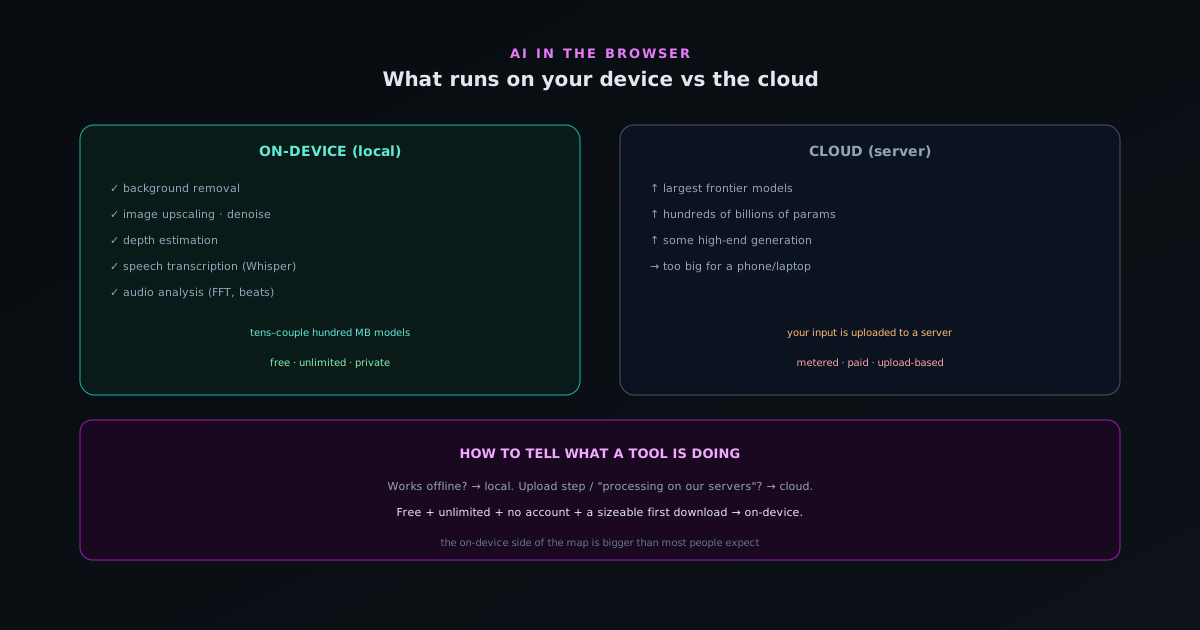
What runs on your device vs in the cloud
A practical guide to telling on-device AI from cloud AI, and what each implies.
NSS Background Remover
AI in the browser · Jun 7, 2026
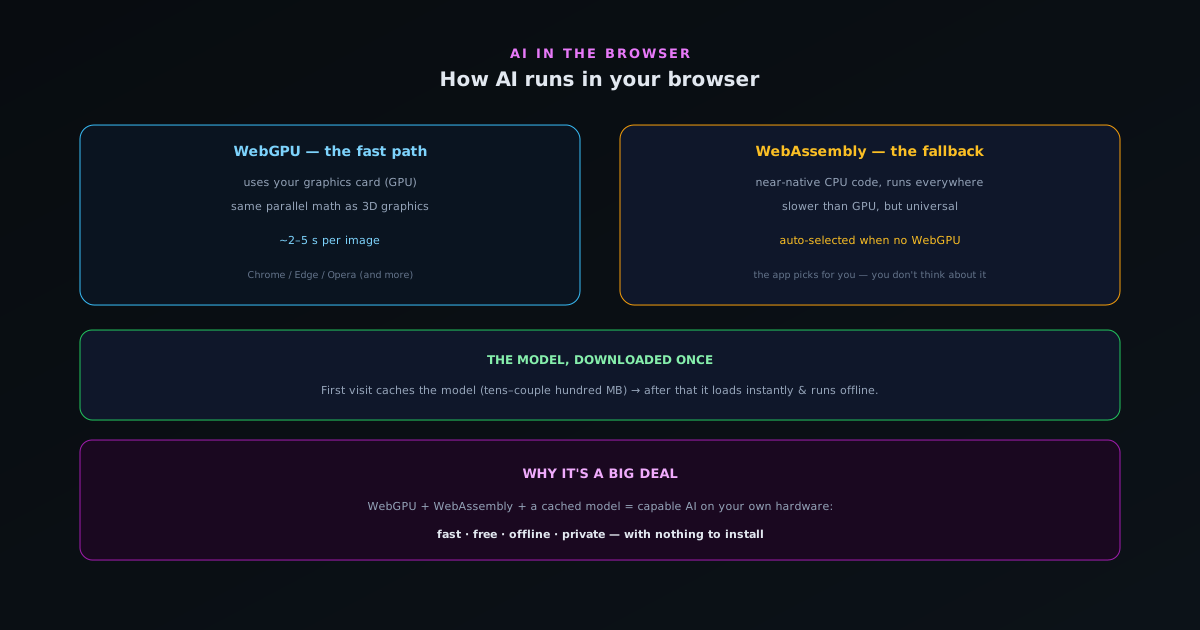
How AI runs in your browser (WebGPU and WebAssembly, explained)
A plain-language explainer of the browser tech that makes on-device AI fast enough to use.
NSS Background Remover
AI in the browser · Jun 7, 2026
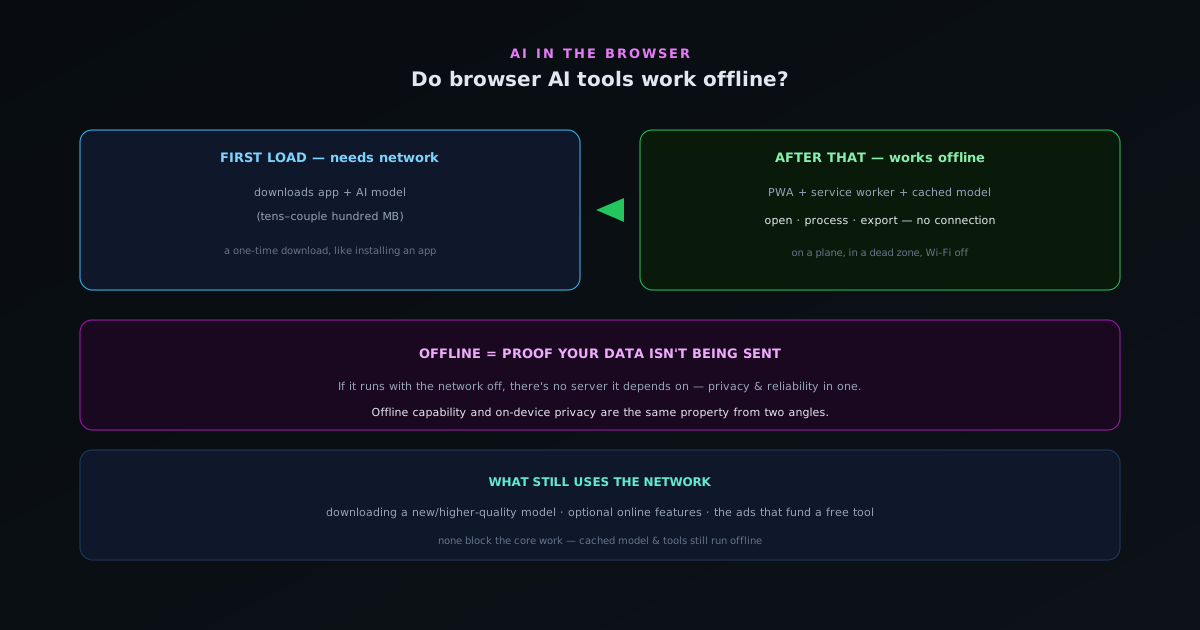
Do browser AI tools work offline?
How on-device AI tools keep working without a connection, and what still needs the network.
NSS Background Remover
AI in the browser · Jun 6, 2026
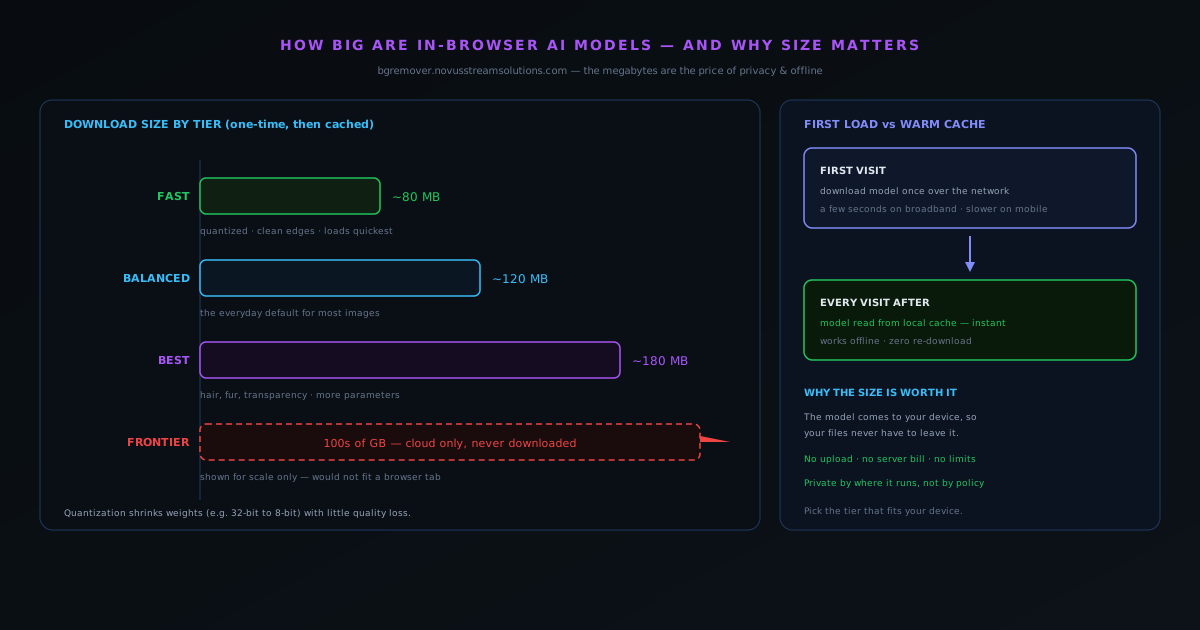
How big are in-browser AI models (and why size matters)
Why an on-device model is tens to hundreds of megabytes, and why that download is worth it.
NSS Background Remover
AI in the browser · May 30, 2026
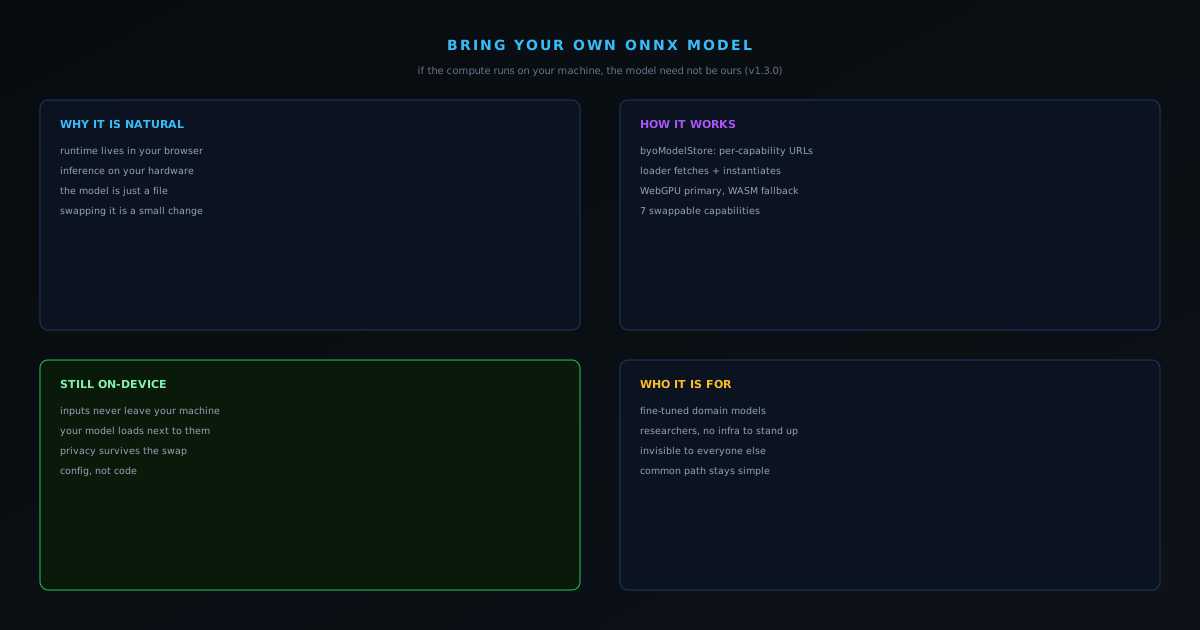
Bring your own ONNX model: running your own weights in the browser
The logical end state of on-device AI: if the computation happens on your machine, the model does not have to be ours. How BYO-ONNX works and why it exists.
NSS Background Remover