Category
Stack & engineering
The locked, opinionated stack behind the Novus ecosystem and how it is built: code-as-content architecture, type-safe content, edge rendering, and the AI-assisted engineering workflow that ships it solo.
26 articles
About the Stack & engineering thread
The technical record of how this ecosystem is built. The stack is deliberately locked and narrow (one framework, one styling approach, content as typed code rather than a CMS) because a solo operation cannot afford the tax of maintaining variety across nine apps.
Content-as-code is the decision with the longest reach, and several articles work through its consequences. When every article, tutorial, and app statistic is a typed TypeScript object, a broken internal link, a missing image, or a renamed app becomes a compile error rather than a support ticket. The cost is that content edits go through a build; the benefit is that content cannot silently rot.
The AI-assisted engineering material is written from production experience rather than demos: where frontier models genuinely compress the work, where the review burden eats the gain, and what has to be true of a codebase before either is possible.
What this topic covers
- The locked stack, and why narrow beats flexible for a small team
- Content-as-code: typed registries, build-time validation, and what it prevents
- Edge rendering, caching strategy, and static generation choices
- Shipping production work with frontier AI: where it helps and where it costs
- Testing and release discipline for a small operation, including zero-downtime content deploys
Who it's for
Engineers building content-heavy sites, solo developers maintaining several products, and anyone weighing AI-assisted development honestly.
26 articles in this thread, newest first. Every one is free to read with no signup.
6 articles in this threadReset filters
Stack & engineering · Jun 3, 2026
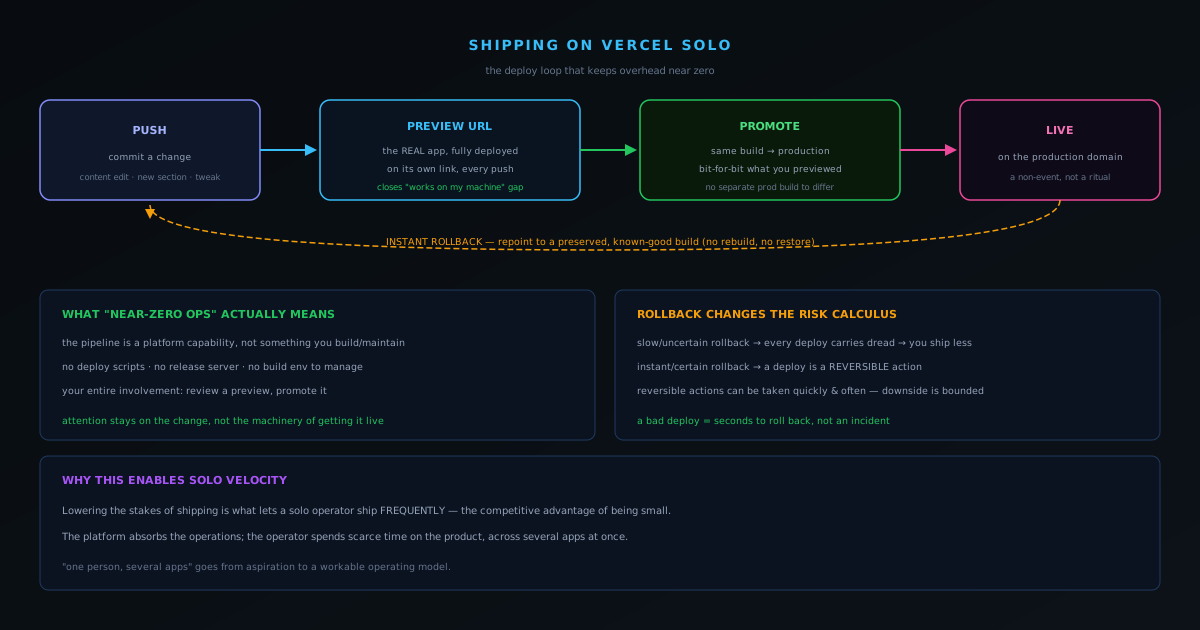
Shipping on Vercel solo: the deploy and preview workflow that keeps overhead near zero
The deploy, preview, and rollback loop that removes the ops tax from running multiple apps as a solo operator.
Engineering
Stack & engineering · Jun 2, 2026
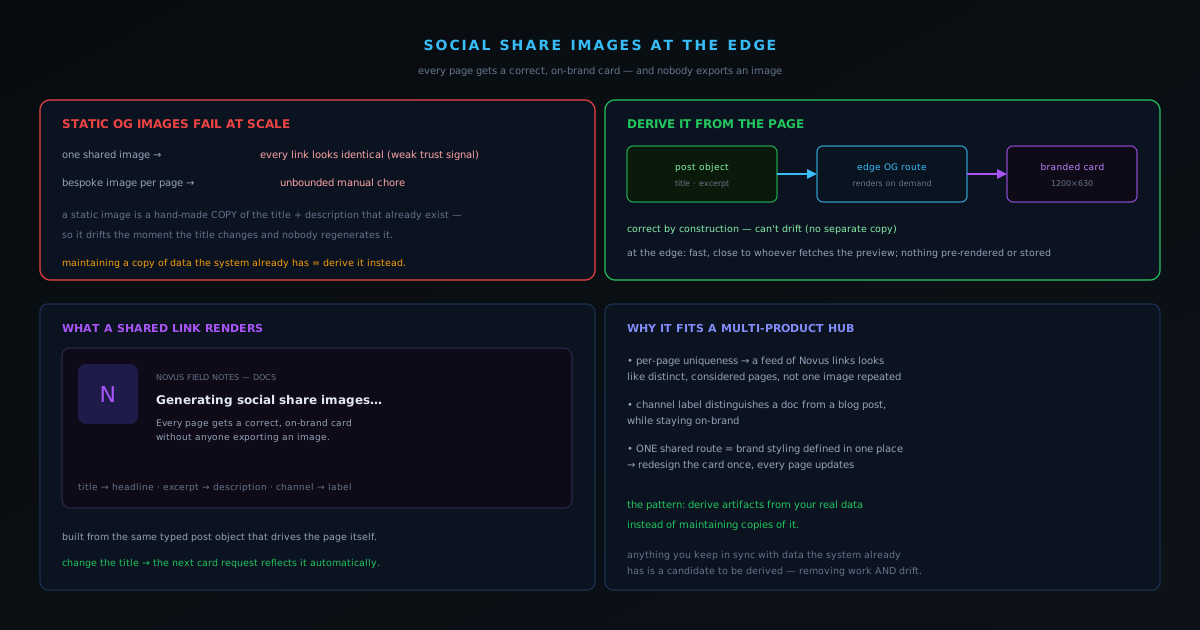
Generating social share images at the edge
How an edge image route turns the typed post data into a per-page share card automatically, and why dynamic beats static here.
Engineering
Stack & engineering · Jun 2, 2026
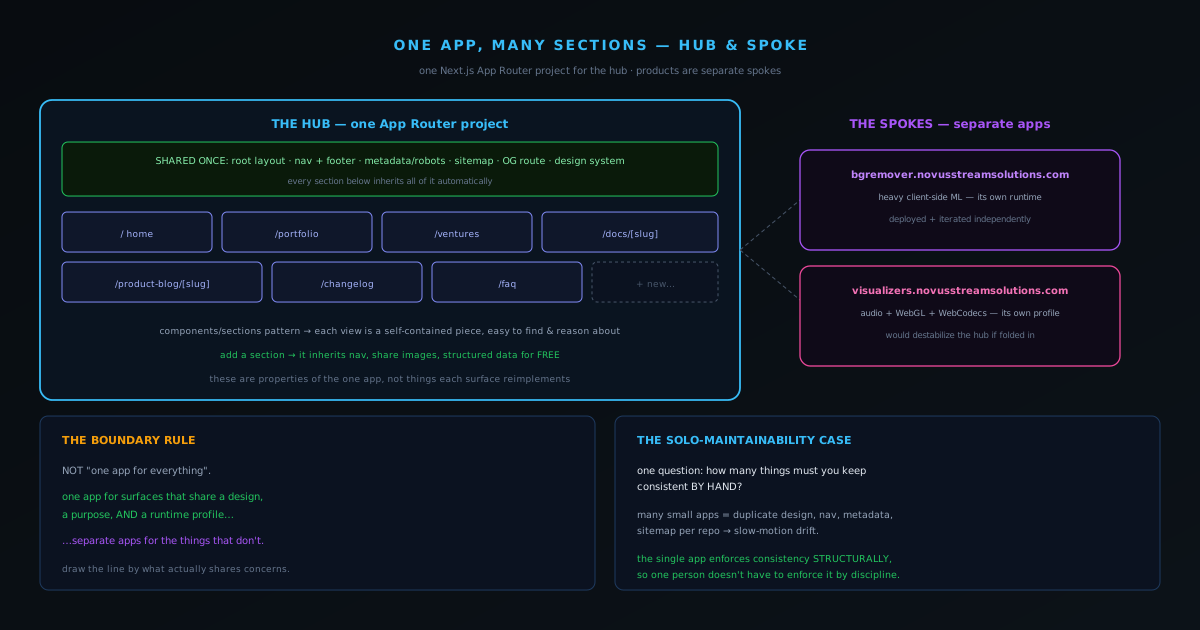
One Next.js app, many sections: routing a hub-and-spoke portfolio from a single codebase
How a single App Router codebase serves an entire multi-product hub, and why that beats a constellation of separate apps when one person maintains it.
Engineering
Stack & engineering · Jun 2, 2026
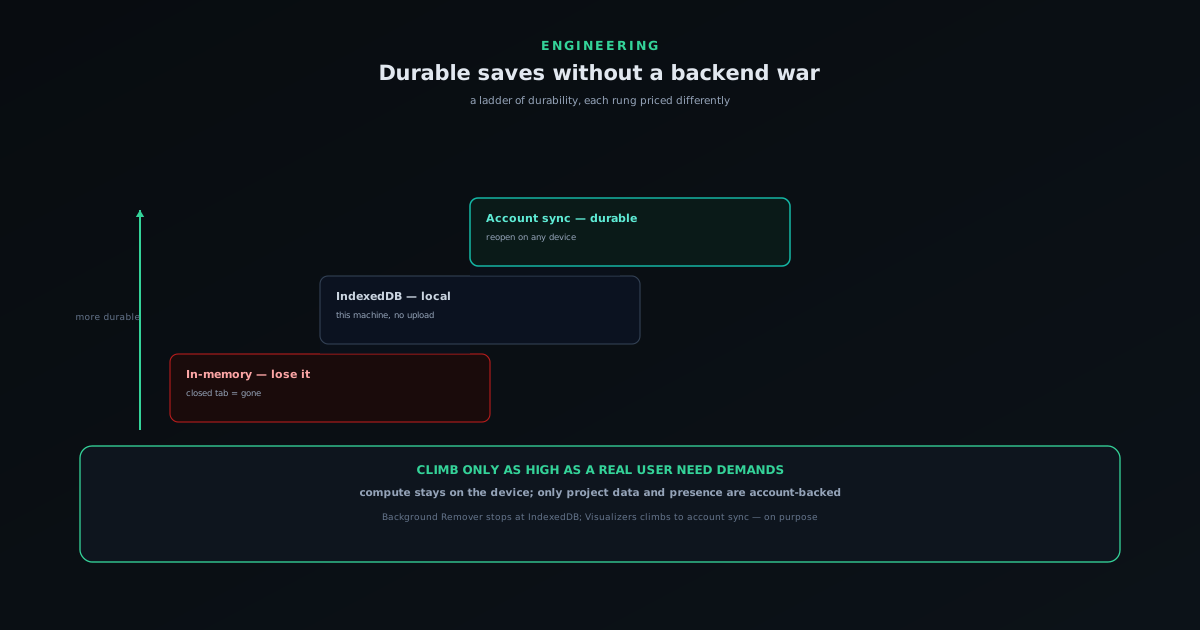
Durable saves without a backend war: IndexedDB, account sync, and when you finally add login
An engineering field note on persistence for browser tools: in-memory loss, local IndexedDB saves, the jump to account-backed durability, and matching the saving model to the product rather than the fashion.
Novus Stream Solutions
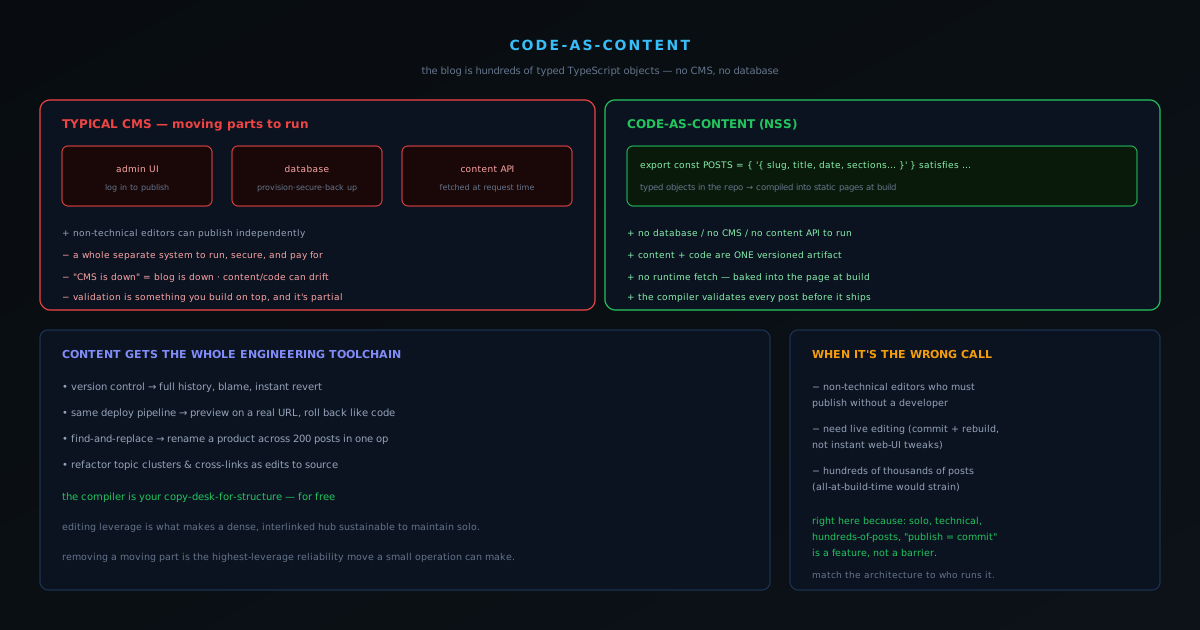
Stack & engineering · Jun 1, 2026
Code-as-content: why our blog is hundreds of TypeScript objects, not a CMS
The case for treating content as code (version-controlled, type-checked, deployed with the app) instead of running a content management system.
Engineering
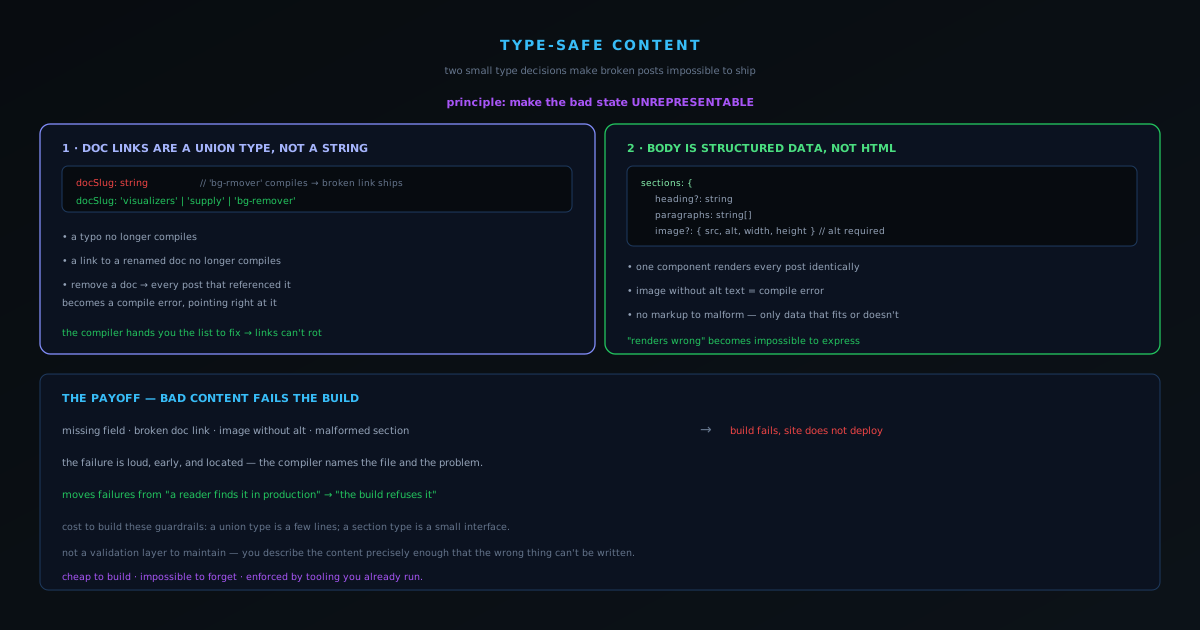
Stack & engineering · Jun 1, 2026
Type-safe content: how a DocSlug union and structured sections stop broken posts
How a few lines of TypeScript types make broken links and malformed posts impossible to ship, not just unlikely.
Engineering