Category
Stack & engineering
The locked, opinionated stack behind the Novus ecosystem and how it is built: code-as-content architecture, type-safe content, edge rendering, and the AI-assisted engineering workflow that ships it solo.
26 articles
About the Stack & engineering thread
The technical record of how this ecosystem is built. The stack is deliberately locked and narrow (one framework, one styling approach, content as typed code rather than a CMS) because a solo operation cannot afford the tax of maintaining variety across nine apps.
Content-as-code is the decision with the longest reach, and several articles work through its consequences. When every article, tutorial, and app statistic is a typed TypeScript object, a broken internal link, a missing image, or a renamed app becomes a compile error rather than a support ticket. The cost is that content edits go through a build; the benefit is that content cannot silently rot.
The AI-assisted engineering material is written from production experience rather than demos: where frontier models genuinely compress the work, where the review burden eats the gain, and what has to be true of a codebase before either is possible.
What this topic covers
- The locked stack, and why narrow beats flexible for a small team
- Content-as-code: typed registries, build-time validation, and what it prevents
- Edge rendering, caching strategy, and static generation choices
- Shipping production work with frontier AI: where it helps and where it costs
- Testing and release discipline for a small operation, including zero-downtime content deploys
Who it's for
Engineers building content-heavy sites, solo developers maintaining several products, and anyone weighing AI-assisted development honestly.
26 articles in this thread, newest first. Every one is free to read with no signup.
26 articles in this thread
Stack & engineering · Jun 9, 2026
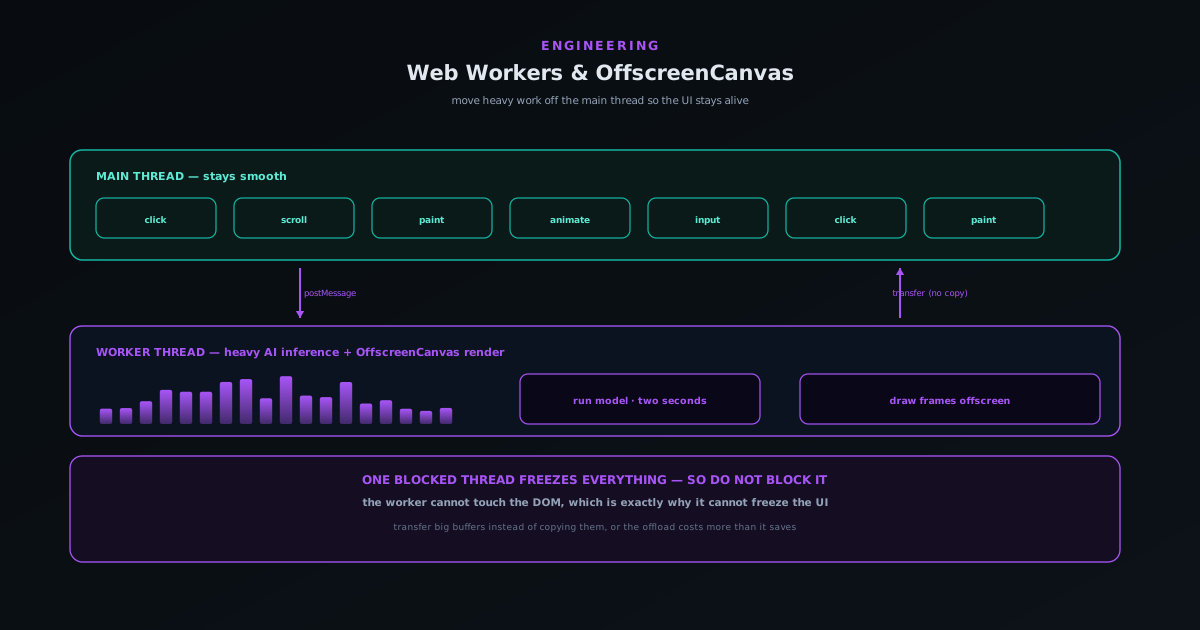
Web Workers and OffscreenCanvas: keeping the UI smooth during heavy AI work
A practical tour of moving heavy work off the main thread: why a single blocked thread freezes everything, what a Web Worker is and how data crosses to it without being copied, how OffscreenCanvas lets a worker draw directly, and the honest trade-offs in complexity that decide when it is worth doing.
NSS Background Remover
Stack & engineering · Jun 8, 2026
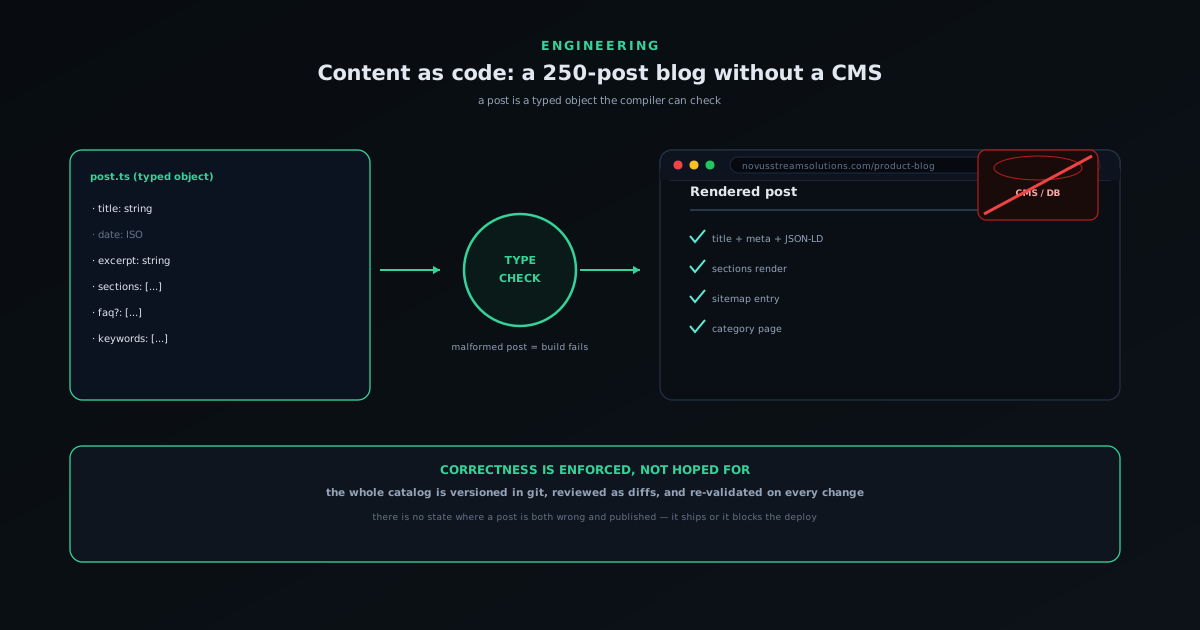
Content as code: running a 250-post blog without a CMS
Why the product blog stores all ~250 posts as typed TypeScript objects instead of in a CMS: the post shape is enforced by the compiler, the whole catalog is versioned and reviewable in git, broken posts cannot ship, and the same tools that build the app build the content, plus an honest account of where this approach stops scaling.
Novus Stream Solutions (hub)
Stack & engineering · Jun 7, 2026
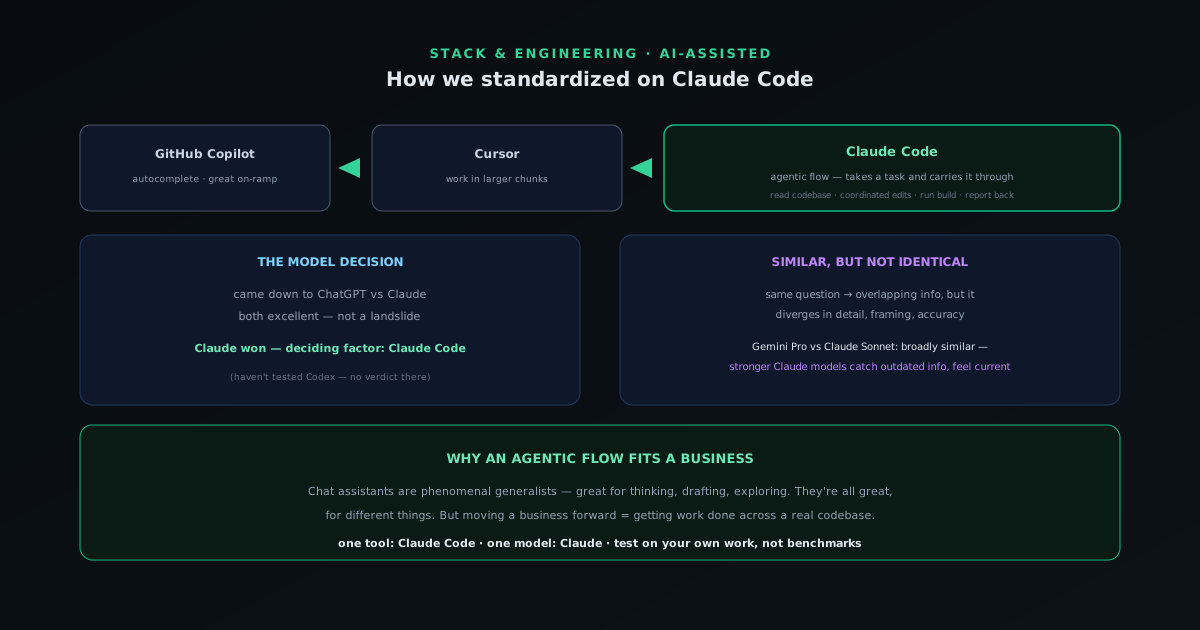
How we standardized on Claude Code to build our apps
Our path through AI coding tools and LLMs, and why an agentic flow won out for a small business.
Novus Stream Solutions (hub)
Stack & engineering · Jun 7, 2026
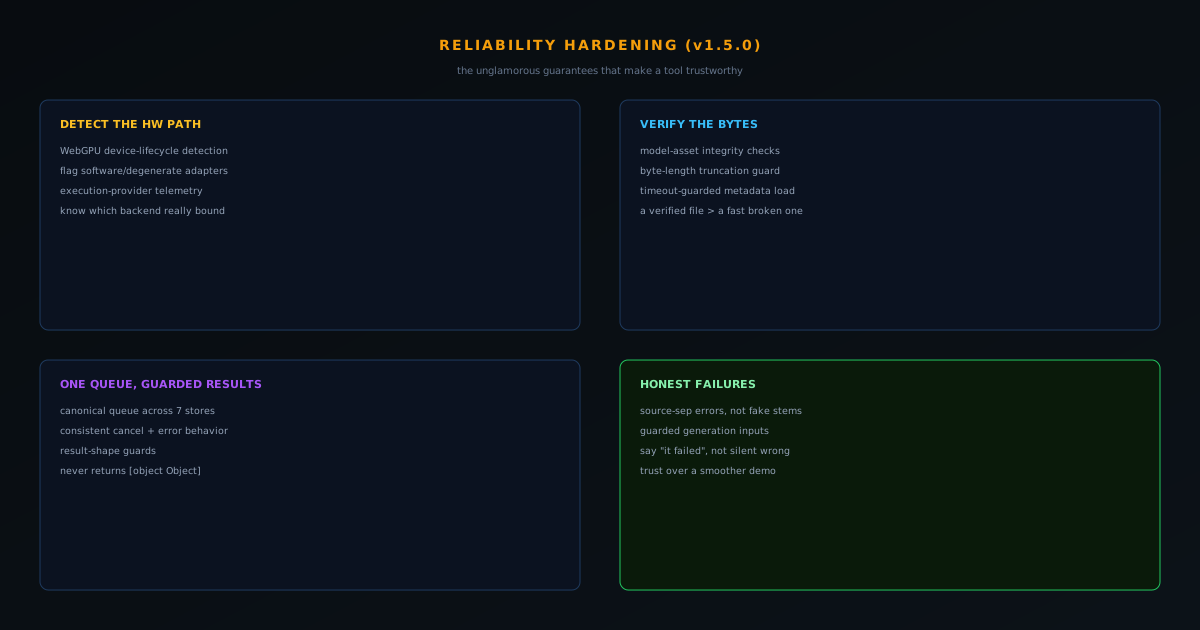
Reliability hardening: device lifecycle, model integrity, and honest failures
An engineering note on the unglamorous guarantees that make a tool trustworthy, and why honest failures beat silent wrong answers.
Stack & engineering
Stack & engineering · Jun 6, 2026
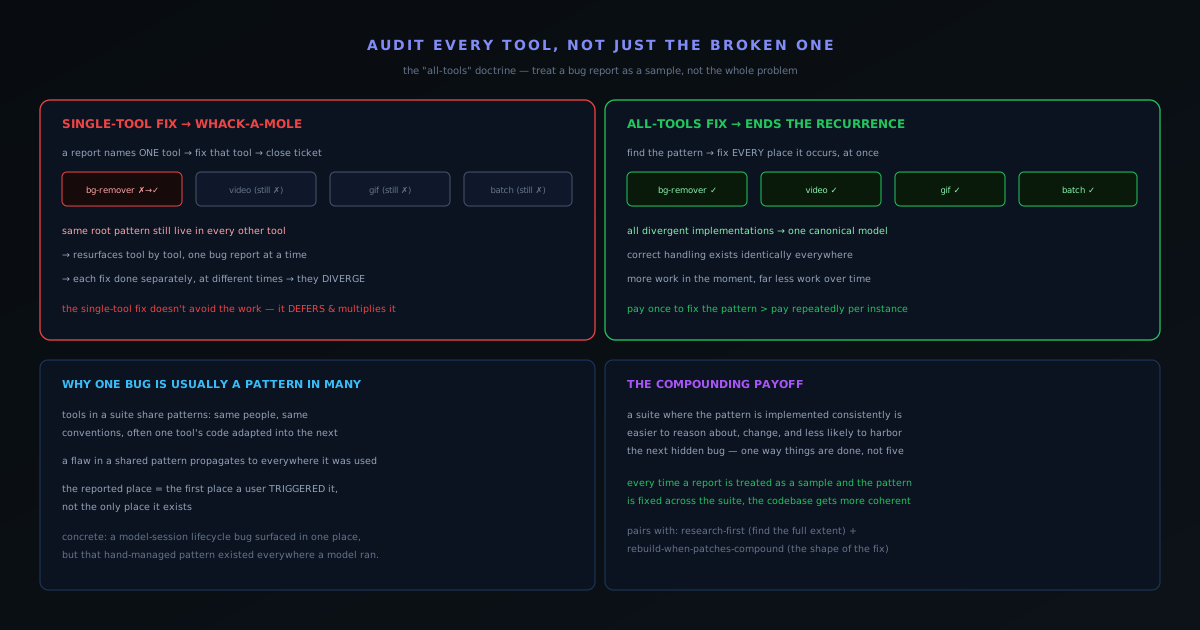
Audit every tool, not just the broken one: the "all-tools" doctrine behind our refactors
Why a bug reported in one place is almost always a pattern that lives in several, and the discipline of fixing the pattern everywhere at once.
Engineering
Stack & engineering · Jun 5, 2026
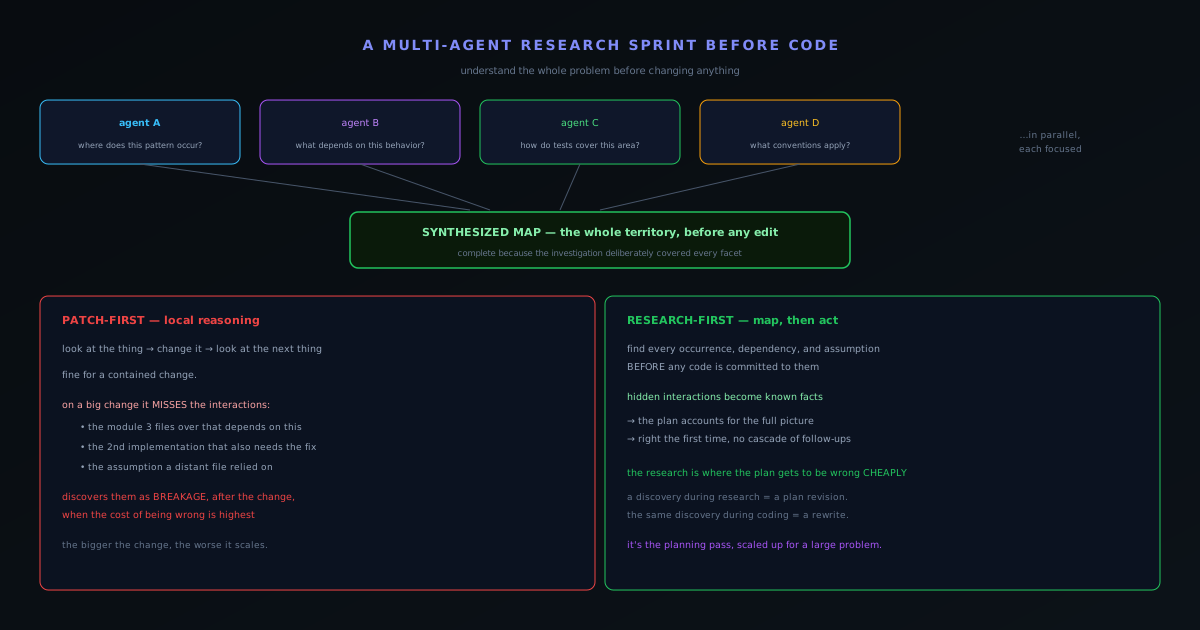
Running a multi-agent research sprint before touching code
How to use parallel agents to understand a problem completely before changing anything, and why that front-loaded research pays for itself on large work.
Engineering
Stack & engineering · Jun 5, 2026
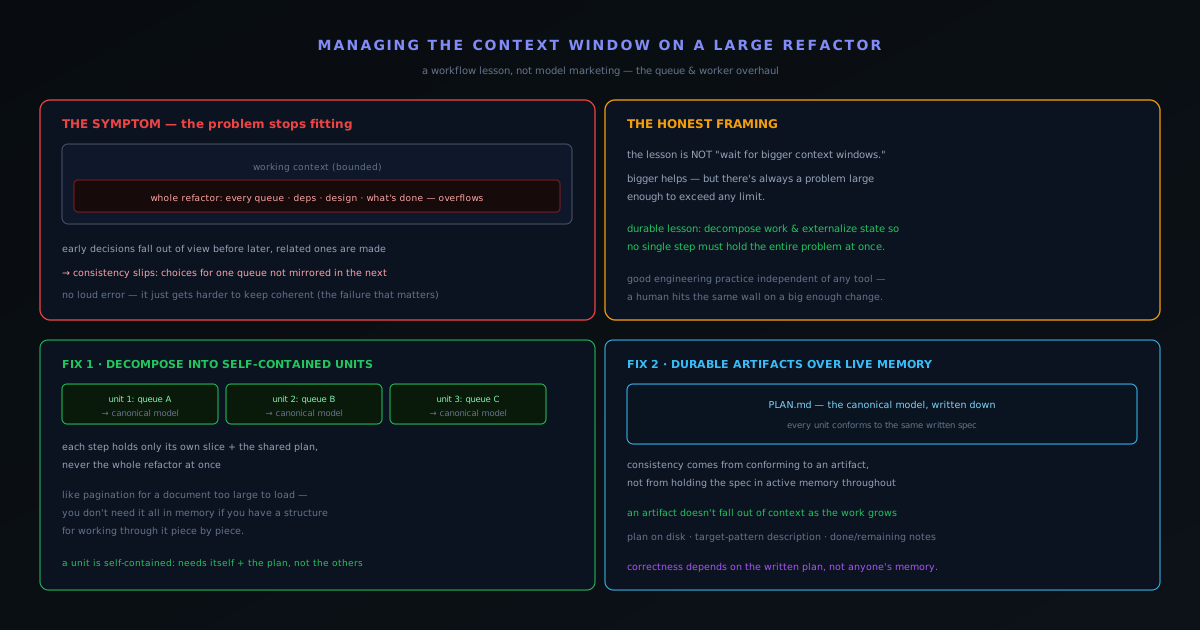
Managing the context window on a large refactor: what broke and how we fixed our sessions
A workflow lesson, not model marketing: how to structure a large refactor so it survives the limits of what can be held in working context at once.
Engineering
Stack & engineering · Jun 4, 2026
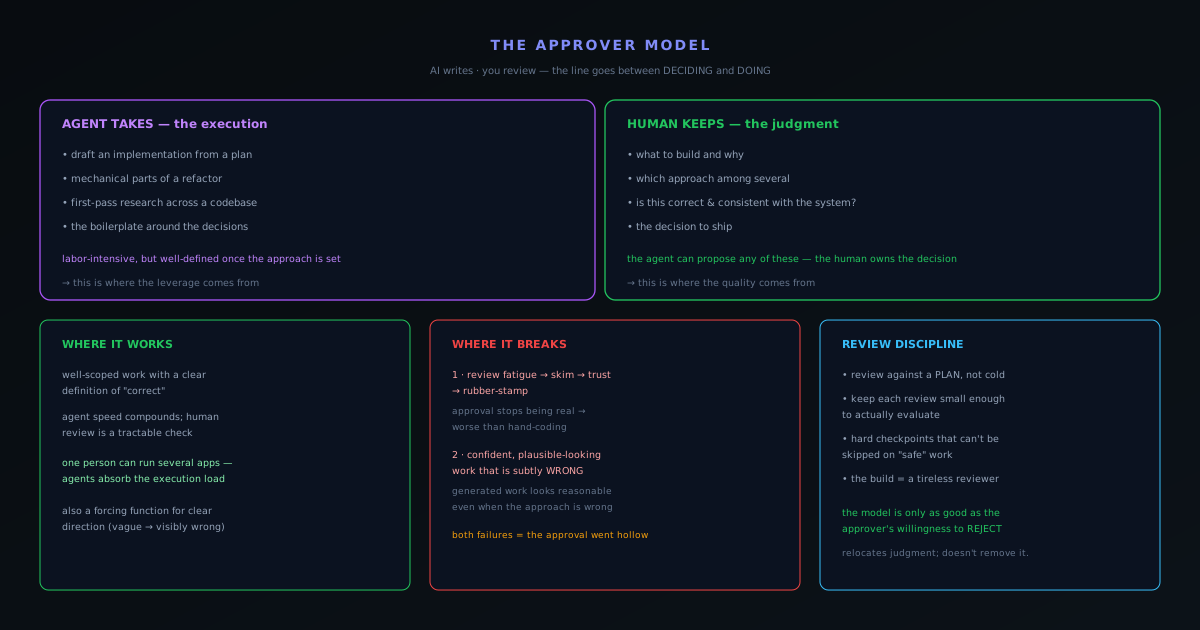
The approver model: running a build pipeline where AI writes and you review
The operating model for one person directing AI execution: what the human keeps, what the agent takes, and how to keep the review meaningful.
Engineering
Stack & engineering · Jun 4, 2026
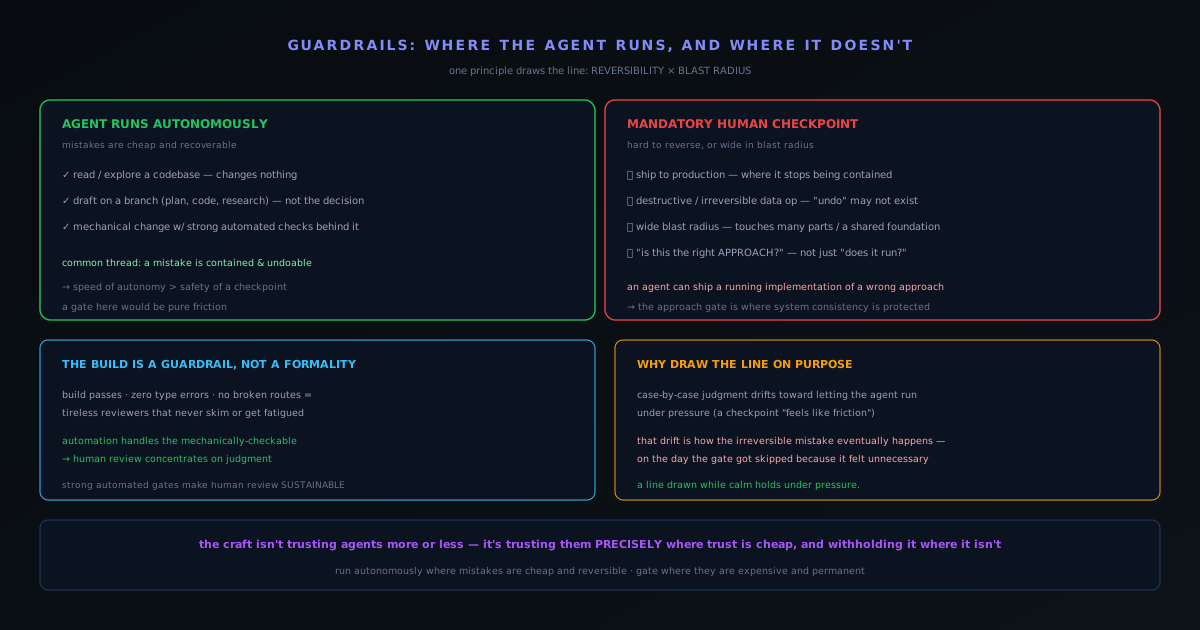
Guardrails and human review: where we let the agent run and where we don't
A practical map of where AI agents operate autonomously and where a human checkpoint is non-negotiable, and the reasoning behind each boundary.
Engineering