Novus Odds
Expected value and ROI in Novus Odds
Learn how Novus Odds separates expected ROI from observed ROI so you can see the gap that finite samples and variance create — without confusing a hot run for an edge.
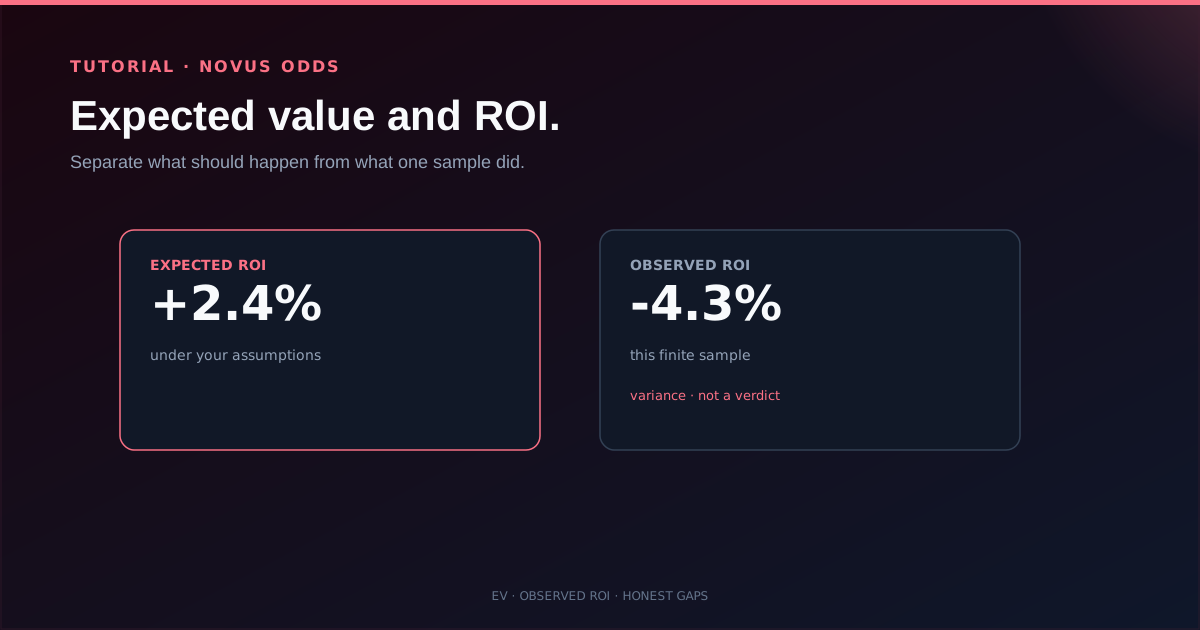
Expected value is what the math says should happen under your assumptions. Observed ROI is what one finished simulation actually printed. Novus Odds shows both so you cannot pretend they are the same thing.
This tutorial trains that distinction until it becomes automatic — the skill that keeps simulation work from turning into superstition.
Contents
- 1
1. Define expected ROI in plain language
Expected ROI is the average return implied by the probabilities and prices you assumed, before a particular random path unfolds. It is a property of the model, not a promise about the next hundred bets in the real world.
If your assumptions about true probability are wrong, expected ROI is wrong too. The lab cannot save you from a bad model; it can only measure the model you gave it.
- 2
2. Read observed ROI as one sample path
Observed ROI is the P&L of the events that actually resolved in this run. It can be higher or lower than expected ROI for long stretches, especially when sample size is limited or when longshot variance dominates.
A negative observed ROI beside a positive expected ROI is not a paradox. It is variance doing its job. The reverse is also true: a lucky path can flatter a negative expectation.
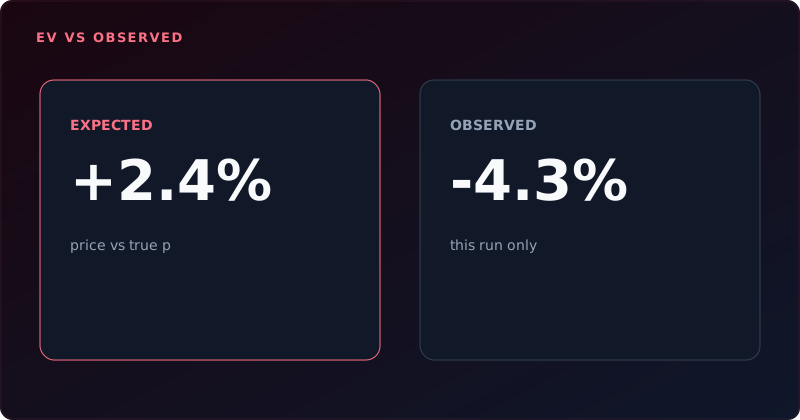
The gap is the lesson — not a bug in the lab. - 3
3. Use the gap as a teaching tool
When you teach or write about Odds, put expected and observed numbers side by side and narrate the gap. That single habit does more to build probability literacy than any slogan about “beating the odds.”
Then continue into Variance, streaks, and confidence intervals in Novus Odds to see how streaks and confidence intervals quantify the same idea.
Never publish observed ROI alone
Pair it with expected ROI, sample size, seed, and margin. Otherwise readers will treat noise as a strategy.
Frequently asked questions
Quick answers to common questions about this topic.
If expected ROI is positive, will I profit?
Not necessarily in a finite sample, and not in live betting unless the assumptions match reality. Positive expectation is a model claim — observed results still swing.