Field guide
2026 · Field notesAbout 2 min read
Product launch operations: the go-to-market checklist small teams actually use
A practical launch operations guide for small teams—covering pre-launch prep, day-one execution, and the post-launch review that prevents the same mistakes twice.
Overview
Most launch failures are not product failures. They are operations failures—missed communication windows, undefined owner responsibilities, and a post-launch period treated like a finish line rather than a starting block.
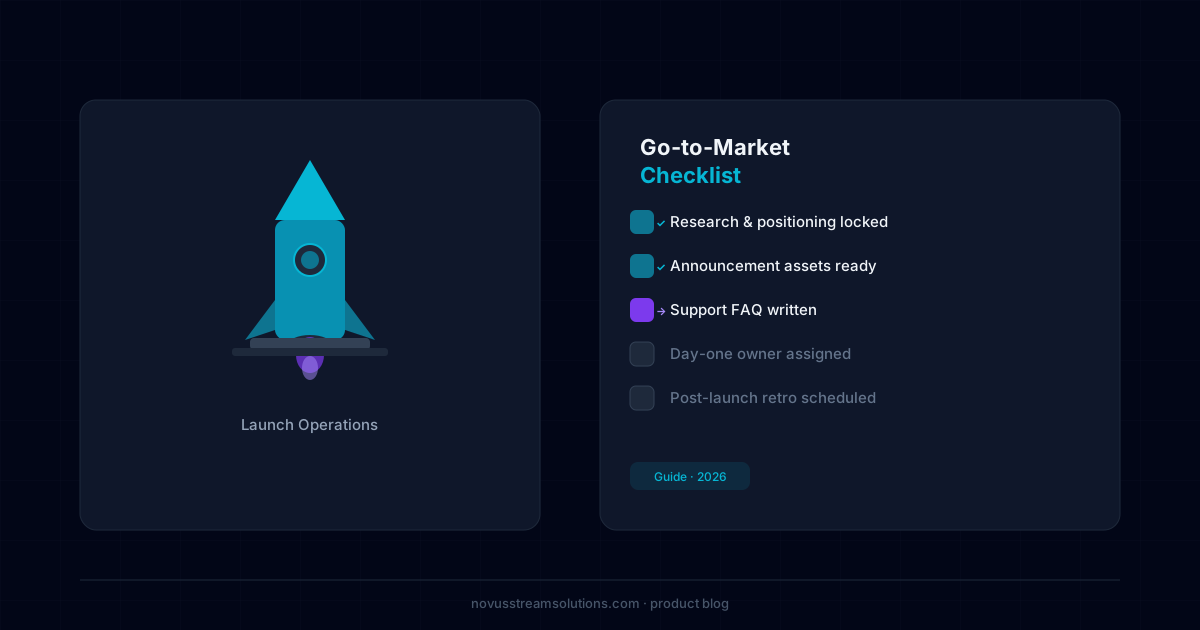
The checklist format gets a bad reputation because people fill it with obvious tasks. A useful launch checklist is built backwards from the things that broke the last time, which means it is specific to your stack, your audience size, and your support capacity.
Pre-launch: T-minus four weeks to T-minus one day
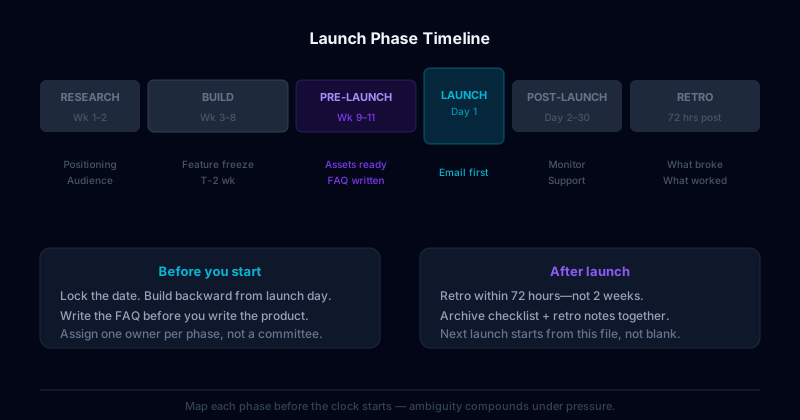
Lock the launch date six weeks out and do not move it without a genuine technical blocker. Social drift—where the date slips because everyone is nervous—costs more than shipping with a few minor rough edges.
Build your announcement assets before you finish the product. Hero images, email subject lines, Discord announcement copy, and the product page description should all be approved before you write the final line of code. This forces you to describe the thing clearly before you are too close to it.
- Designate one owner for launch-day communication. Not a committee.
- Write the support FAQ before launch, not after the first wave of tickets.
- Set a hard cutoff for new features: two weeks before launch, nothing new ships.
Day-one execution
Publish in your owned channels first: email list, Discord, newsletter. Let those audiences feel like insiders before you broadcast to cold audiences. The order signals who you prioritize.
Assign one person to monitor support inboxes and community channels for the first four hours. Unanswered questions in the launch window compound quickly—a single clear reply to one worried question often resolves it for dozens of lurkers.
The post-launch review that makes the next one better
Run a written retrospective within 72 hours while the memory is fresh. Two questions: what broke, and what worked better than expected. Keep it short. The goal is a delta, not a debrief.
Archive the checklist alongside the retro notes. Your next launch starts there, not from a blank template.